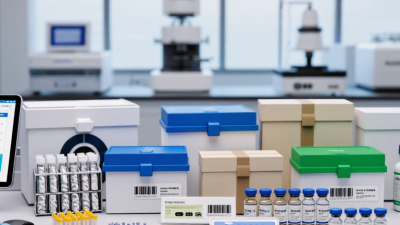
In 2026, global buyers will face a broader selection of Reagent Kits than ever before. Molecular diagnostic kits, immunoassay kits, microbiology kits, cell culture kits, and analytical chemistry kits serve different laboratory demands. Each type requires careful review before purchase. Performance is not the only concern.
A practical buyer examines intended use, sample compatibility, detection range, storage temperature, shelf life, and instrument requirements. A kit arriving with dry ice, clear lot records, and readable instructions can protect an entire testing workflow. Small details matter. Supplier experience also deserves attention. Reliable manufacturers should provide technical files, batch traceability, quality certificates, and responsive application support. ISO 13485 certification may strengthen confidence, but it should not replace independent due diligence.
Regional distribution adds further complexity. Customs procedures, language requirements, temperature-controlled shipping, and local registration rules can affect delivery and usability. Buyers should compare total ownership costs, not only catalog prices. A cheaper kit may create hidden expenses through repeat testing, unstable calibration, or limited technical support. That assumption can fail.
This guide examines the leading reagent kit categories expected to attract global attention in 2026. It focuses on practical selection criteria, verified quality signals, and common procurement risks. The most suitable product depends on the laboratory’s workflow, equipment, and validated method. No ranking fits every institution. Even experienced teams can overlook compatibility during urgent purchasing. Careful evaluation remains essential.
Reagent kits are packaged systems designed to perform a defined laboratory procedure. They may support sample preparation, chemical reactions, detection, measurement, or quality control. A typical kit contains prepared reagents, reaction tubes, controls, calibrators, instructions, and storage guidance. Some include collection materials or disposable components.
The core function is consistency. Premeasured materials can reduce preparation errors and improve workflow repeatability. For example, a testing kit may use a buffer to stabilize a sample, an enzyme to drive a reaction, and a control to confirm that the process worked. Detection reagents then create a measurable signal, such as a color change or instrument reading. Small details matter.
Global buyers should examine intended use, shelf life, temperature limits, lot information, language support, and technical documentation. Storage can become difficult during long-distance shipping, especially when cold conditions are required. Packaging labels should match the accompanying instructions. A low purchase price may hide higher handling costs. This is often overlooked. No kit removes every source of variation, and user technique still affects results. Careful validation with local equipment is necessary before routine adoption.
Reagent kits differ by laboratory application, not just by test name. Molecular diagnostic kits support DNA or RNA extraction, amplification, and target detection. They often require clean workspaces, calibrated instruments, and strict contamination control. Small workflow gaps can affect results.
Immunoassay kits measure proteins, hormones, antibodies, or disease markers in serum and plasma. Buyers should check calibration materials, control ranges, sample volume, and open-vial stability. Microbiology kits help identify organisms through culture support, biochemical reactions, or rapid molecular screening. Temperature records matter here. So does traceability.
Cell culture reagent kits support media preparation, cell recovery, and routine maintenance. Their performance can change with storage time, water quality, and handling habits. Analytical chemistry kits are used for ions, metabolites, contaminants, and quality testing. Environmental and food laboratories may need kits designed for complex matrices, where interference is common.
Look beyond the box.
Review certificates, lot consistency, shelf life, transport conditions, and method compatibility. A lower purchase price may create higher labor costs when preparation is slow. Some kits appear convenient but demand extra verification in local workflows. That part is easy to underestimate. Global buyers should compare technical documents with actual bench experience, not rely on marketing claims alone.
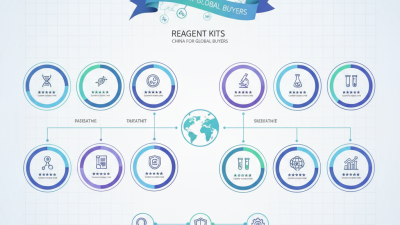
2026 Top Reagent Kit Types for Global Buyers?
Key Selection Criteria for Global Buyers in 2026
Global buyers should select reagent kits by intended use, sample type, and testing environment. A kit for routine screening may not suit complex clinical or research samples. Check analytical sensitivity, specificity, precision, and stability data before comparing prices. These figures should come from clear validation reports, not attractive sales claims.
Look closely at storage requirements. A kit needing constant refrigeration can create risks during long international shipments. Review temperature limits, transport monitors, shelf life, and replacement procedures. Lot-to-lot consistency also matters. Ask for certificates of analysis, quality-control records, and instructions written in clear English. Local language support can reduce handling mistakes.
Practical testing is essential. Request evaluation samples when possible, then compare results with your current method. Record hands-on details, such as pipetting steps, reaction time, and packaging damage after delivery. I have found that a simple workflow often saves more labor than a lower purchase price. Yet no checklist is perfect. Matrix effects, instrument differences, and operator training may still change performance. Buyers should question unusually strong claims and confirm whether technical support is available across time zones. Reliability is built through evidence, communication, and repeated results.
| Priority | Reagent Kit Type | Typical Applications | Typical Workflow Time | Typical Throughput | Common Sample Types | Key Performance Criteria | Storage and Logistics | Regulatory and Quality Considerations | Best-Fit Buyer Profile |
|---|---|---|---|---|---|---|---|---|---|
| 1 | Nucleic Acid Extraction Kits | DNA or RNA purification before molecular testing, sequencing, genotyping, and research workflows. | Approximately 30 minutes to 3 hours, depending on manual or automated processing. | 1–96 samples per run; higher capacity with automated systems. | Whole blood Saliva Swabs Tissue Environmental samples | Yield and purity, inhibitor removal, recovery of short fragments, low-input performance, and compatibility with downstream assays. | Many formats are available at ambient or refrigerated conditions; frozen transport may be required for selected chemistries. Moisture-barrier packaging and lot traceability are important. | For regulated testing, assess documented extraction performance, lot-to-lot consistency, contamination controls, and applicable quality-system documentation. | Clinical laboratories, public-health laboratories, research institutes, food laboratories, and environmental testing facilities. |
| 2 | Real-Time PCR and RT-qPCR Kits | Targeted detection and quantification of DNA or RNA, including pathogen testing, gene expression, and quality control. | Approximately 1.5–3.5 hours, including extraction when performed separately. | 24–384 reactions per run, depending on instrument format and laboratory setup. | Clinical specimens Food and feed Water Research samples | Analytical sensitivity, specificity, linearity, efficiency, reproducibility, internal controls, and resistance to common inhibitors. | Enzyme-containing reagents commonly require refrigerated or frozen transport. Buyers should verify validated temperature excursions, shelf life, and shipment monitoring. | Review intended-use labeling, performance evaluation, calibration requirements, controls, and local registration rules before clinical or diagnostic deployment. | Laboratories needing fast, targeted, scalable molecular results with established instrument compatibility. |
| 3 | Immunoassay Kits | Quantification or qualitative detection of proteins, hormones, antibodies, antigens, cytokines, and other biomarkers. | Approximately 1.5–5 hours; some rapid formats can be completed in under 30 minutes. | Typically 20–96 wells per plate; batch size depends on plate format. | Serum Plasma Cell culture fluid Tissue lysate Saliva | Detection range, limit of detection, cross-reactivity, matrix effects, precision, recovery, and calibrator traceability. | Refrigerated storage is common. Protect from repeated freeze–thaw cycles, excessive heat, and light-sensitive conditions. | Check validation data, reference standards, control materials, product stability, and suitability for research, screening, or regulated testing. | Biomedical research, clinical screening, pharmaceutical development, and contract testing laboratories. |
| 4 | Next-Generation Sequencing Library Preparation Kits | Fragmentation, end repair, adapter attachment, indexing, and library amplification for DNA or RNA sequencing. | Approximately 4–10 hours, excluding sequencing and optional enrichment steps. | 8–96 libraries per batch; scalable workflows are available for larger projects. | Genomic DNA Cell-free DNA RNA-derived cDNA Amplicons | Library yield, fragment-size distribution, index accuracy, duplication rate, uniformity, low-input performance, and compatibility with read length. | Enzymatic components frequently require frozen or refrigerated logistics. Short shelf life and cold-chain continuity can materially affect total cost. | Buyers should evaluate contamination controls, index design, sequencing-platform compatibility, documentation, and reproducibility across lots. | Genomics centers, academic core facilities, precision-research laboratories, and high-throughput sequencing service providers. |
| 5 | Isothermal Amplification Kits | Rapid nucleic-acid amplification for decentralized testing, field applications, screening, and resource-limited settings. | Approximately 15–60 minutes, depending on assay design and detection method. | 1–96 tests per batch; portable formats may process fewer samples simultaneously. | Swabs Saliva Blood Water Agricultural samples | Speed, analytical sensitivity, non-specific amplification control, tolerance to crude samples, ease of use, and visual or instrument-based readout. | Ambient-stable formats can simplify international distribution; refrigerated or frozen products require validated cold-chain handling. | Confirm local requirements for decentralized or point-of-care use, operator training, waste management, and result interpretation. | Mobile laboratories, field-testing programs, primary-care sites, and buyers prioritizing short turnaround time. |
| 6 | Cell Culture and Cell-Based Assay Kits | Cell maintenance, viability testing, proliferation measurement, cytotoxicity testing, and functional screening. | Approximately 1 hour to several days, depending on the biological endpoint. | 24–384 wells per plate for many screening formats. | Primary cells Immortalized cells Stem-cell derivatives Organoid models | Cell viability, assay dynamic range, lot consistency, background signal, cytotoxicity, sterility, and compatibility with imaging or plate readers. | Many components require frozen storage or dry-ice shipment. Temperature excursions can reduce biological activity and shorten usable life. | Verify sterility testing, mycoplasma controls, animal-origin information, biosafety documentation, and ethical sourcing requirements. | Pharmaceutical research, toxicology laboratories, biotechnology research groups, and academic screening facilities. |
| 7 | Rapid Antigen and Lateral-Flow Kits | Fast qualitative or semi-quantitative screening for antigens, antibodies, contaminants, and selected analytes. | Approximately 5–30 minutes. | One test per device; batch processing is possible with multi-test formats. | Nasal or oral swabs Whole blood Urine Food extracts Water samples | Sensitivity and specificity, visual-read accuracy, invalid-test rate, sample-volume tolerance, and performance near the decision threshold. | Many products are designed for ambient or refrigerated storage. Packaging must protect test strips from humidity and physical damage. | Evaluate intended-use restrictions, operator instructions, usability studies, stability claims, and country-specific market authorization. | Decentralized testing sites, screening programs, food and agricultural testing, and buyers needing minimal equipment. |
| 8 | Histology, Immunohistochemistry, and Immunofluorescence Kits | Tissue staining, biomarker localization, pathology research, morphology assessment, and fluorescence-based imaging. | Approximately 3 hours to 2 days, depending on fixation, retrieval, and staining steps. | 1–100 slides per batch; automated systems can support larger workloads. | Fixed tissue Frozen tissue Cell preparations Biopsy sections | Signal-to-background ratio, antibody specificity, staining consistency, antigen preservation, multiplex compatibility, and image quality. | Storage varies from ambient to refrigerated or frozen. Light-sensitive fluorescent reagents require opaque packaging and controlled handling. | Assess tissue-control requirements, reagent traceability, interpretation criteria, and validation for diagnostic versus research use. | Pathology laboratories, translational research groups, hospitals, and drug-development organizations. |
| 9 | Microbiology Culture and Identification Kits | Microorganism cultivation, biochemical identification, antimicrobial susceptibility support, and contamination monitoring. | Approximately 18 hours to several days, depending on organism and test method. | 10–96 tests per batch; capacity depends on culture format and reading method. | Clinical specimens Food samples Water Pharmaceutical samples Environmental swabs | Selectivity, recovery, contamination control, identification accuracy, growth performance, and agreement with reference methods. | Media and biochemical components may require ambient or refrigerated storage. Humidity and sterility protection are critical. | Review sterility assurance, reference-method comparability, biosafety procedures, expiry dating, and local microbiology requirements. | Food, pharmaceutical, water, environmental, clinical, and public-health laboratories. |
| 10 | Protein Purification and Quantification Kits | Protein isolation, concentration measurement, buffer exchange, affinity purification, and downstream biochemical analysis. | Approximately 30 minutes to 1 day. | 1–96 samples per batch; scale varies from microvolume to preparative workflows. | Cell lysates Tissue extracts Culture supernatants Purified proteins | Recovery, purity, assay linearity, interference tolerance, binding capacity, reproducibility, and compatibility with downstream analysis. | Storage may be ambient, refrigerated, or frozen depending on enzymes, resins, buffers, and stabilizers. Avoid repeated freeze–thaw cycles. | Confirm material composition, animal-origin declarations, buffer compatibility, safety documentation, and batch-specific quality data. | Biochemistry laboratories, pharmaceutical research teams, biotechnology manufacturers, and academic core facilities. |

2026 Top Reagent Kit Types for Global Buyers
Quality, Compliance, and Supply Chain Considerations
Global buyers are evaluating molecular testing, immunoassay, cell culture, and analytical reagent kits in 2026. Each type has different risks. Molecular kits often require strict temperature control and validated instruments. Immunoassay kits depend on antibody consistency, calibration materials, and clear result interpretation. Cell culture products need careful monitoring of sterility, performance, and storage conditions.
Quality begins with evidence, not attractive packaging. Buyers should review certificates of analysis, batch records, expiry dates, and stability data. Lot traceability must connect the kit to its raw materials and release testing. Check the instructions for use, safety documents, labeling, and language requirements. Regulatory status also varies by destination, intended use, and product classification. A research-use product may not meet diagnostic requirements.
Supply planning needs practical detail. Confirm minimum order quantities, replenishment times, temperature limits, and backup shipping routes. Ask how damaged parcels, temperature excursions, and delayed customs clearance are handled. Small packaging changes can affect warehouse space and handling costs. I have seen teams approve a kit after checking price alone, then discover that the required freezer capacity was unavailable. That mistake is preventable, but forecasts are rarely perfect. Recheck demand, validation needs, and local import procedures before placing large orders.
International buyers entering 2026 are watching reagent kits beyond traditional laboratory demand. Molecular testing, immunoassays, nucleic-acid extraction, and multiplex panels remain strong categories. Grand View Research estimated the global molecular diagnostics market at USD 16.8 billion in 2023, with a projected 6.7% annual growth through 2030. That expansion supports demand for stable, automation-ready kits.
Regional needs are becoming more distinct. Hospitals in mature markets prefer high-throughput kits with barcode tracking and internal controls. Smaller laboratories often choose compact formats, fewer preparation steps, and longer room-temperature stability. Point-of-care testing is also gaining attention. The MarketsandMarkets Point-of-Care Diagnostics report projects continued double-digit growth in several decentralized testing segments through 2029. Yet delivery conditions matter. A kit designed for a cold-chain warehouse may fail in a remote clinic with unreliable power.
Procurement teams are increasingly comparing total workflow cost, not only the purchase price. They examine invalid-result rates, hands-on time, packaging waste, and local technical support. NGS library-preparation kits may gain buyers where sequencing capacity is expanding, while multiplex respiratory and gastrointestinal panels fit facilities needing broader answers from one specimen. The picture is not perfectly clean. Reported market forecasts use different definitions, and some regional data remain incomplete. Buyers should verify performance claims with independent validation, local regulations, and real shipping-temperature records before scaling orders.