China Top 10 Genomic DNA Cleanup Kit Suppliers
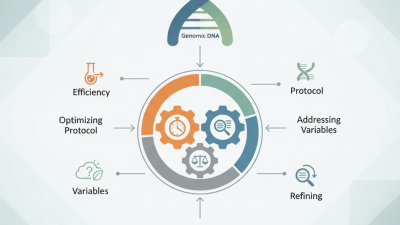
Genomic DNA Cleanup has become a decisive step in modern molecular workflows. It removes proteins, salts, enzymes, and fragmented nucleic acids before sequencing, PCR, or library preparation. A clear tube can still hide inhibitors. That is the uncomfortable part.
Grand View Research valued the global genomics market at approximately USD 27.15 billion in 2022. It also projected a 16.2% compound annual growth rate from 2023 to 2030. MarketsandMarkets estimated the next-generation sequencing market at USD 10.3 billion in 2023. Its forecast reached USD 23.5 billion by 2028. These figures explain rising demand for reliable cleanup systems. They do not, however, prove that every supplier offers equal performance.
As genomics researcher Ewan Birney has warned, “Data quality matters.” His concise observation applies directly to DNA purification. Poor cleanup can reduce amplification efficiency, distort concentration readings, and increase sequencing noise. The best suppliers therefore provide more than magnetic beads or spin columns. They offer validated protocols, recovery data, inhibitor testing, lot consistency, and responsive technical support.
This overview examines China’s top 10 Genomic DNA Cleanup Kit suppliers through those practical criteria. It considers product range, automation compatibility, sample capacity, documentation, and quality controls. Price matters too, especially for high-throughput laboratories. Yet the cheapest kit may create hidden costs through repeats and failed libraries.
The ranking is not absolute. Application fit changes the result. A kit suited to blood samples may perform poorly with plant tissue or archival material. Buyers should verify specifications with real samples before large-scale adoption. That small step is often overlooked. It should not be.
Genomic DNA Cleanup Kits: Purpose, Types, and Key Applications
Genomic DNA cleanup kits remove contaminants that interfere with downstream analysis. Common impurities include proteins, salts, detergents, enzymes, and residual extraction reagents. Purity matters. Even a small amount of inhibitor can weaken PCR or reduce sequencing performance. Clean DNA should also retain useful fragment length and show consistent concentration after elution.
The main kit types use silica membranes, magnetic beads, or precipitation chemistry. Silica spin columns suit manual processing and modest sample numbers. Magnetic bead systems support automation and flexible elution volumes. Precipitation methods can handle larger inputs, but they may require more hands-on control. Not every kit fits. Sample source, DNA size, expected yield, and laboratory equipment should guide selection. A reliable supplier should provide recovery data, compatibility notes, storage conditions, and clear quality-control records.
Applications range from PCR, genotyping, and library preparation to biobanking and long-read sequencing. For sensitive workflows, users should check concentration, purity ratios, and DNA integrity rather than relying on yield alone. A high yield may still contain inhibitors. In practice, comparing results across several sample types is more useful than trusting one performance chart. Some protocols also lose DNA during repeated transfers or overly dry membrane steps. That detail is easy to overlook. Suppliers serving genomic laboratories should therefore offer practical protocols, reproducible lot performance, and technical guidance when samples behave unexpectedly.
Genomic DNA cleanup methods differ in recovery, selectivity, and tolerance for sample contaminants. The chart presents representative recovery ranges commonly associated with major cleanup formats under optimized laboratory conditions. Actual results depend on DNA input, fragment size, binding chemistry, wash conditions, and elution volume.
How China’s Top Genomic DNA Cleanup Kit Suppliers Are Evaluated
China’s top genomic DNA cleanup kit suppliers are evaluated through evidence, not catalog claims. A capable supplier shows batch records, stability data, and clear instructions for blood, tissue, or cultured-cell samples. We examine recovery rates after washing, not only the advertised purity ratio. A clean A260/280 reading can still hide fragmented DNA or salt carryover. That detail matters during PCR, sequencing, and long-term storage.
Professional assessment includes extraction chemistry, membrane consistency, and process control. Reviewers may compare replicate samples from the same lysate, using identical elution volumes. Small differences reveal whether performance depends on operator skill. Suppliers should provide certificates of analysis, lot traceability, technical contacts, and defined acceptance limits. Response quality also counts. A vague answer is a warning. Practical support matters when a protocol meets unusual sample types or low input levels.
Authority must be earned through method transparency, independent verification, and relevant quality systems. We look for published validation, realistic performance claims, and data from more than one laboratory. Price is considered, but low cost cannot excuse unstable recovery or missing documentation. Some evaluations remain imperfect. Shipping temperature, local water quality, and user technique can distort results. We record these variables instead of pretending every comparison is equal. Suppliers willing to discuss failed runs often appear more reliable than those showing only polished graphs.
How to Select a Reliable Chinese Genomic DNA Cleanup Kit Supplier
Selecting a reliable Chinese genomic DNA cleanup kit supplier requires more than comparing prices. According to MarketsandMarkets’ 2024 Sample Preparation Market report, the sector may grow from about USD 6.7 billion in 2024 to USD 10.6 billion by 2029. This expansion increases supplier choices, but also raises quality concerns. Ask for batch-specific certificates, extraction recovery data, purity ratios, and stability results. A supplier should explain how its kit performs with blood, tissue, or microbial samples.
Look for documented quality systems, including ISO 13485 where applicable, controlled manufacturing records, and traceable raw materials. Request independent verification using A260/A280 readings, fluorometric concentration, and downstream PCR or sequencing results.
The A260/A280 ratio should usually approach 1.8 for clean DNA, but this value alone proves little. Practical experience matters. Ask for real protocol examples, not polished brochures.
Reliable suppliers also provide clear lead times, replacement policies, and technical responses within one working day. According to the OECD’s 2023 biotechnology indicators, China remains one of the world’s major biotechnology research and patent activity centers, yet supplier capability varies widely. A factory tour or remote quality audit can reveal storage conditions, labeling discipline, and contamination controls. Some vendors offer impressive samples but weak documentation. That is a warning. I would compare at least three batches before approval, although this adds cost and time. It may still be cheaper than repeating an entire sequencing run.