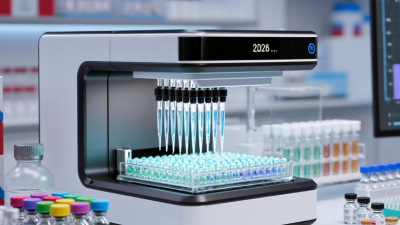
Why Choose a Magnetic Bead Extraction Kit?
Why choose a Magnetic Bead Extraction Kit for modern laboratory workflows? The answer often begins with consistency. Magnetic beads bind target nucleic acids, while unwanted proteins and debris are removed through controlled washing steps. A clear tube, a steady pipette, and a calibrated magnetic rack can make the process easier to monitor. Small details matter. Experienced technicians often appreciate the reduced need for centrifugation and the flexible format for manual or automated processing. These advantages can support cleaner workflows, especially when many samples require similar handling.
However, performance depends on more than the kit itself. Sample type, bead chemistry, reagent quality, and operator technique all influence the final result. No method is perfect. Laboratories should review recovery data, inhibition risks, processing time, and compatibility with downstream applications before selecting a product. Reliable suppliers provide instructions, validation information, and practical technical support. That evidence matters. A well-designed Magnetic Bead Extraction Kit may reduce repetitive handling and improve workflow organization, but it should not replace careful controls or trained judgment. In practice, the best choice is the kit that fits the laboratory’s samples, equipment, throughput, and quality requirements. Even experienced teams may need to adjust mixing speed, incubation time, or elution volume. Those small adjustments can reveal hidden limitations. A thoughtful evaluation creates more dependable results than choosing a kit based only on speed or marketing claims.
What Is a Magnetic Bead Extraction Kit?
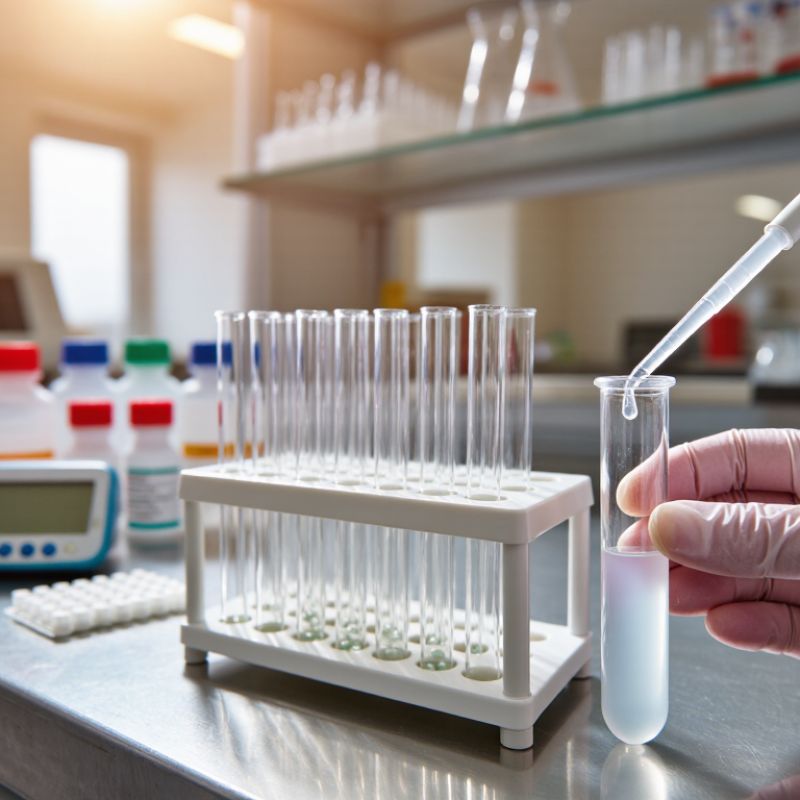
A magnetic bead extraction kit is a laboratory system for isolating DNA or RNA from complex samples. It usually contains magnetic particles, binding chemicals, washing solutions, and an elution buffer. The beads capture nucleic acids when specific salts and pH conditions are applied. A magnetic rack then holds the beads against the tube wall. This allows unwanted proteins, pigments, and other debris to be removed without centrifugation.
In practice, the workflow is simple but requires careful handling.
A technician mixes the sample with the beads, waits for binding, and places the tube on a magnetic rack. After the liquid clears, the beads are washed several times. Finally, a small volume of buffer releases the purified nucleic acid. It is not magic. Mixing time, sample volume, and drying can affect recovery. Over-drying the beads may make elution less efficient, while incomplete washing can leave inhibitors behind. I have found that gentle pipetting gives more consistent results than aggressive mixing. Still, every sample behaves differently, and a protocol may need adjustment. Reliable results also depend on clean work areas, calibrated pipettes, appropriate controls, and storage conditions recommended by the laboratory.
How Magnetic Bead Extraction Works
Magnetic bead extraction uses tiny, responsive particles to separate nucleic acids from complex samples. The process begins with cell lysis, which releases DNA or RNA into a liquid mixture. Binding chemicals then help these molecules attach to the bead surfaces. The magnet does the sorting.
Once the tube reaches the magnetic rack, the beads collect against one side. Unwanted proteins, salts, and cellular debris remain in the liquid and can be removed carefully. Several wash steps improve purity, but excessive washing may reduce recovery. I have found that slow pipetting protects the bead pellet and limits sample loss. Small details matter.
After washing, a low-salt elution solution releases the nucleic acids from the beads. The recovered extract can support amplification, sequencing, or other analytical procedures. Results depend on sample type, reagent ratios, mixing time, and temperature. A thick sample may need longer lysis. A weak magnet can leave beads suspended. That is easy to miss.
Reliable workflows include controls, clean handling, and measured volumes. Checking concentration alone is not enough; purity and downstream performance also matter. The method is efficient, yet not foolproof. I still inspect unusually cloudy eluates and repeat questionable measurements. Automation can improve consistency, but it cannot correct poor sample preparation. Careful observation remains essential.
Key Advantages of Magnetic Bead-Based Extraction
Why Choose a Magnetic Bead Extraction Kit?
Key Advantages of Magnetic Bead-Based Extraction
Magnetic bead-based extraction uses coated particles to capture nucleic acids after sample lysis. A magnetic rack then separates the beads from liquid without repeated centrifugation. This reduces handling steps and keeps the workflow easier to monitor. In daily laboratory work, fewer transfers can mean fewer opportunities for contamination or sample loss. The beads remain visible as a compact pellet-like cluster, which helps users check whether separation is complete.
The method also supports flexible processing. One operator can handle small batches manually or transfer the workflow to an automated platform. Wash steps help remove proteins, salts, and other inhibitors that may affect amplification or sequencing. Elution volumes can often be adjusted for the downstream assay. That flexibility matters when sample concentration varies. It saves space too.
Still, the process is not flawless. Bead carryover can occur if aspiration is too aggressive. Incomplete mixing may lower recovery, especially with viscous samples. Careful timing, validated mixing, and suitable controls remain essential. Experienced users should check purity ratios, yield, and downstream performance rather than trusting yield alone. Some kits also require optimization for difficult matrices, including samples with high mucus, blood, or environmental debris. A short pilot comparison can reveal problems before routine testing begins.
Factors to Consider When Choosing a Kit
Why Choose a Magnetic Bead Extraction Kit?
A magnetic bead extraction kit can simplify nucleic acid purification and reduce manual handling. However, selecting the right kit matters more than choosing the fastest protocol. Consider the sample type, expected yield, and inhibitor levels before comparing prices. Blood, tissue, and environmental samples may require different binding chemistry. A kit designed for clean samples can struggle with viscous lysates. That problem is easy to miss.
Check compatibility with your laboratory instruments and available magnetic racks. Confirm whether the protocol supports your desired throughput, elution volume, and downstream application. Bead size also matters because it can affect recovery, washing efficiency, and liquid carryover. Review validation data, quality controls, storage conditions, and lot-to-lot consistency. Clear instructions are valuable, especially when several users share the workflow. A lower-cost kit may become expensive after repeated failed extractions. Yet, I would not assume the most detailed documentation guarantees perfect results.
Tips: Run a small pilot with representative samples. Include a negative control and a known positive sample. Record bead clumping, wash clarity, and final concentration. If purity is acceptable but yield is low, adjust mixing or elution time carefully. Small changes can help. Avoid changing several variables at once.
Common Applications and Workflow Stages
Magnetic bead extraction kits support a clear, modular workflow:
lysis,
binding,
washing, and
elution.
During lysis, chemical buffers release nucleic acids from cells, tissues, or clinical specimens. Magnetic particles then capture the target material through surface chemistry. A magnetic rack separates beads without centrifugation. This reduces transfers and helps limit aerosol-related contamination. The final elution step produces purified DNA or RNA for downstream testing.
Common applications include PCR, sequencing, pathogen surveillance, food testing, and environmental monitoring. A 2024 Grand View Research report estimated the global nucleic acid isolation and purification market at several billion U.S. dollars, with automation and molecular diagnostics driving demand. The World Health Organization also continues to emphasize reliable laboratory workflows for infectious-disease surveillance. These trends explain why bead-based extraction appears in both high-throughput facilities and smaller laboratories. It scales well.
In daily practice, operators should match bead chemistry, sample volume, and elution conditions to the assay. Clinical specimens may contain inhibitors, while soil and food samples often require stronger cleanup. Internal controls can reveal extraction loss before results reach a reporting stage. However, magnetic separation is not automatically flawless. Poor mixing can leave nucleic acids behind, and overdrying beads may reduce recovery. A 2023 MarketsandMarkets analysis projected strong growth for magnetic bead technologies through the decade, yet growth should not replace validation. I would still compare recovery, purity, and repeatability across several operators before routine use. Small details matter.