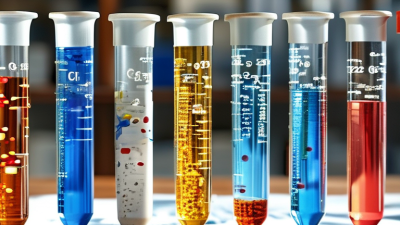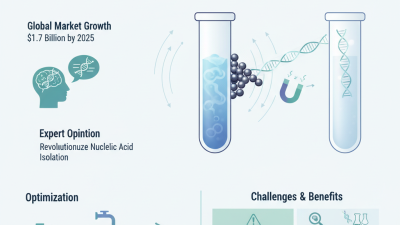
Genomic DNA Preparation is the quiet foundation of sequencing, genotyping, biobanking, and molecular diagnostics. A weak extraction can leave fragmented DNA, residual ethanol, or invisible PCR inhibitors. These problems often appear later, when valuable samples and processing time are already lost.
Industry reports show why kit selection matters to global buyers. Grand View Research’s 2024 genomics market analysis identifies sequencing, molecular testing, and research applications as major growth areas. Mordor Intelligence’s DNA sequencing market report also highlights expanding laboratory adoption across research, healthcare, and agricultural sectors. Meanwhile, the WHO Global Genomic Surveillance Strategy stresses reliable laboratory capacity, standardized workflows, and quality data. These trends increase demand for consistent Genomic DNA Preparation, not simply the highest advertised yield.
This guide reviews ten widely considered genomic DNA extraction kits for international purchasing teams. The comparison focuses on DNA integrity, purity ratios, sample compatibility, hands-on time, scalability, storage conditions, and technical support. Small details matter. A clean 260/280 ratio does not guarantee amplifiable DNA. A fast protocol may create extra cleanup work. Shipping temperature can also affect practical performance in remote laboratories.
No universal winner exists. A kit suited to fresh blood may perform poorly with saliva, tissue, or plant material. Product rankings can also shift as prices, regional inventory, and regulatory requirements change. Buyers should verify current instructions, validation data, and local import conditions before purchasing. The recommendations here are evidence-informed, but laboratory testing remains necessary. Real samples decide.
Genomic DNA preparation kits are packaged workflows for isolating high-molecular-weight DNA from cells, blood, tissue, or other approved biological samples. They simplify a process that can otherwise require several separate reagents and careful timing. In practice, a good kit should produce DNA with suitable purity, concentration, and fragment length for PCR, sequencing, or storage.
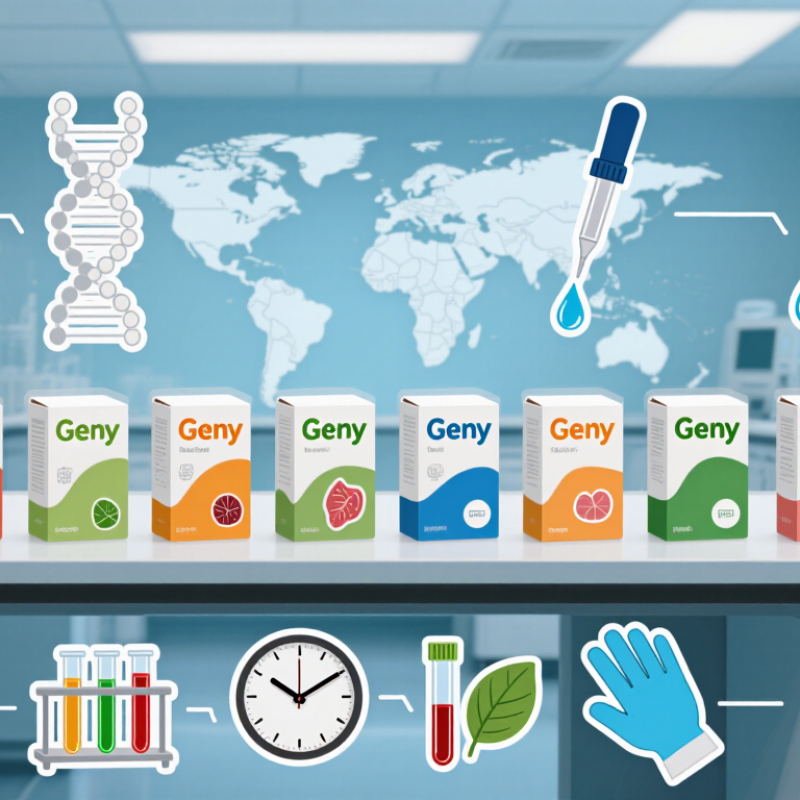
Most kits contain a lysis buffer, which breaks open cell membranes and releases DNA. Proteinase K is commonly included to digest proteins during incubation. Some kits provide RNase to reduce RNA carryover. The released DNA usually binds to a silica membrane or magnetic particles. Wash buffers then remove proteins, salts, and other impurities. Many require ethanol preparation before use. The final component is often an elution buffer or nuclease-free water.
Small details matter. I check whether tubes, collection vessels, and protective equipment are included before ordering. A missing accessory can delay a complete batch. Sample capacity also varies, and excessive input may clog a column or reduce recovery. I have seen clean-looking extracts perform poorly because the sample was overloaded. That mistake is easy to repeat. Buyers should compare storage conditions, shelf life, extraction volume, and compatibility with their downstream instruments. The kit is only one part of reliable DNA preparation. Careful handling still decides the result.
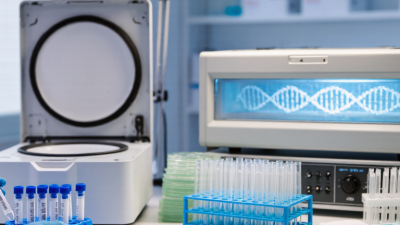
Top 10 Genomic DNA Preparation Kits for Global Buyers
How to Match a Kit to Sample Type and DNA Quality Requirements
Choosing a genomic DNA preparation kit starts with the sample, not the product ranking. Whole blood usually needs red-cell removal and protein digestion. Buccal swabs contain less DNA and more collection debris. Saliva can carry microbial DNA, which may affect downstream analysis. Plant tissue often requires stronger grinding and inhibitor removal.
DNA quality also depends on the intended application. For PCR, moderate purity may be acceptable. Long-read sequencing needs high molecular weight DNA with limited shearing. Samples for biobanking require stable yield, consistent purity, and documented storage conditions. I check concentration with fluorescence-based measurement, then inspect purity ratios and fragment size. One number is never enough.
In routine laboratory work, I prefer kits with clear protocols, internal controls, and recovery data for the specific sample type. Magnetic-bead formats can support automation, while column formats may suit smaller laboratories. FFPE tissue is difficult. Its DNA is often fragmented before extraction begins. A high yield can still hide poor usability. I have trusted attractive purity readings too quickly, and later found inhibition during amplification. That mistake changed my evaluation process. I now compare replicate extractions, record operator time, and test the final DNA in the intended workflow. Supplier documentation matters, but local validation matters more. Temperature limits, transport conditions, and waste procedures should also fit the buyer’s laboratory infrastructure.
Top 10 Genomic DNA Preparation Kits for Global Buyers
When comparing global genomic DNA preparation kits, yield is only one performance measure. In routine laboratory work, purity, integrity, and repeatability often matter more. A high-yield extract can still fail downstream amplification if salts, proteins, or ethanol remain. Check absorbance ratios, electrophoresis patterns, and inhibitor performance across representative samples.
Sample flexibility deserves close attention. Some kits handle blood consistently, while others perform better with tissue, saliva, or cultured cells. Review the required input volume and the final elution range. Small elution volumes may improve concentration, but they can increase recovery errors. That matters.
Processing time should include lysis, washing, drying, and hands-on labor. A kit promising rapid results may create hidden delays through repeated transfers. For larger laboratories, compatibility with automation, plate formats, and common liquid-handling systems can affect real capacity. Manual workflows remain useful, especially when sample numbers change weekly.
Global buyers should examine lot-to-lot consistency, transport stability, storage requirements, and technical documentation. Clear protocols, troubleshooting guidance, and accessible support indicate stronger supplier reliability. Cost comparisons should use the price per usable DNA sample, not the package price alone. I have seen inexpensive options become costly after failed extractions and repeat testing. No kit fits every laboratory. Local sample types and staff habits can change the ranking.
| Rank | Generic Kit Format | Primary Sample Types | Typical Input Range | Typical DNA Yield | Typical Purity | Hands-On Workflow | Typical Processing Time | Throughput | Automation Compatibility | Key Performance Advantage | Important Buying Consideration |
|---|---|---|---|---|---|---|---|---|---|---|---|
| 1 | Magnetic-bead whole-blood DNA kit | Fresh or frozen whole blood, buffy coat | 0.2–10 mL blood | 5–30 µg per 1 mL blood | A260/A280: 1.7–2.0 A260/A230: 1.8–2.4 |
Low centrifugation; bead binding, washing and elution | 30–60 minutes | 1–96 samples per run | High; suitable for liquid-handling systems | Scalable processing with good consistency across batches | Confirm bead compatibility, reagent stability and availability of automation protocols |
| 2 | Silica spin-column blood and tissue kit | Whole blood, tissue homogenate, cultured cells | Up to 0.5–10 mL blood or 5–25 mg tissue | 10–50 µg per sample | A260/A280: 1.8–2.0 A260/A230: 1.8–2.3 |
Manual lysis, binding, wash and column elution | 35–75 minutes | 1–24 samples per batch | Moderate; vacuum manifolds can improve throughput | Reliable purity with simple laboratory equipment | Requires repeated centrifugation and may be less efficient for large sample volumes |
| 3 | High-molecular-weight DNA kit | Blood, cultured cells, animal tissue | 0.5–5 mL blood or 10–50 mg tissue | 10–100 µg per sample | A260/A280: 1.8–2.0 High genomic DNA integrity |
Gentle lysis, limited mixing and wide-bore transfer | 60–150 minutes | 1–24 samples per batch | Moderate; requires gentle liquid handling | Better preservation of long DNA fragments for long-read sequencing | More sensitive to vigorous pipetting, vortexing and repeated freeze-thaw cycles |
| 4 | Plant genomic DNA kit | Leaves, seeds, roots and other plant tissues | 20–100 mg fresh or dried tissue | 5–50 µg per sample | A260/A280: 1.7–2.0 A260/A230: 1.5–2.3 |
Mechanical disruption, inhibitor removal and column or bead purification | 45–90 minutes | 1–24 samples per batch | Moderate; adaptable to semi-automated workflows | Designed to reduce polysaccharides and polyphenolic inhibitors | Performance varies significantly by plant species and tissue maturity |
| 5 | Microbial genomic DNA kit | Bacterial and fungal cultures, cell pellets | Up to 109 cells or approximately 1–10 mg pellet | 2–20 µg per sample | A260/A280: 1.8–2.0 A260/A230: 1.8–2.4 |
Enzymatic or mechanical lysis followed by column or bead purification | 30–60 minutes | 1–96 samples per run | High for magnetic-bead formats | Efficient recovery from concentrated microbial pellets | Gram-positive organisms may require additional enzymatic or mechanical lysis |
| 6 | Saliva and buccal-cell DNA kit | Saliva, buccal swabs and mouthwash samples | 0.2–2 mL saliva or 1–4 swabs | 0.5–10 µg per sample | A260/A280: 1.7–2.0 A260/A230: 1.5–2.3 |
Cell lysis, inhibitor reduction and DNA capture | 30–75 minutes | 1–96 samples per run | High; compatible with batch and automated processing | Convenient for non-invasive human sample collection | Residual food, mucus and microbial DNA can affect yield and purity |
| 7 | Animal tissue genomic DNA kit | Muscle, liver, kidney, tail clips and biopsies | 5–30 mg tissue | 5–40 µg per sample | A260/A280: 1.8–2.0 A260/A230: 1.7–2.3 |
Proteinase-based digestion followed by column or bead purification | 60–180 minutes | 1–24 samples per batch | Moderate to high, depending on lysis format | Good flexibility across hard and soft tissue types | Complete tissue disruption and sufficient digestion time are critical |
| 8 | FFPE tissue DNA kit | Formalin-fixed paraffin-embedded tissue sections | 1–10 sections or approximately 1–10 mm3 tissue | 0.1–10 µg per sample | A260/A280: approximately 1.6–2.0 Fragmented DNA is expected |
Deparaffinization, extended digestion and inhibitor removal | 2–6 hours | 1–24 samples per batch | Moderate; often requires manual pre-treatment | Optimized for chemically damaged and fragmented DNA | Fixation time, tissue age and storage conditions strongly influence downstream performance |
| 9 | Environmental and soil DNA kit | Soil, sediment, compost and environmental particulates | 0.25–10 g sample | 0.5–20 µg per sample | A260/A280: 1.6–2.0 A260/A230: 1.0–2.2 |
Bead beating, inhibitor adsorption and DNA purification | 45–120 minutes | 1–24 samples per batch | Moderate; bead-beating equipment may be required | Improved removal of humic acids and other environmental inhibitors | Sample heterogeneity and inhibitor concentration can produce variable yields |
| 10 | Low-input forensic and dried-blood DNA kit | Dried blood spots, buccal swabs and low-cell samples | 1 swab, 1 dried spot or low-cell input | 0.05–5 µg per sample | Purity depends on input; DNA integrity is sample-dependent | High-sensitivity lysis, carrier-assisted capture and low-volume elution | 60–150 minutes | 1–24 samples per batch | Moderate; contamination control is essential | Designed to maximize recovery from limited biological material | Use dedicated pre-PCR areas and strict contamination-control procedures |
Note: Performance figures are typical comparison ranges for generic genomic DNA preparation formats. Actual yield, purity, fragment length and processing time depend on sample type, input amount, storage conditions, operator technique and downstream application.
For international buyers, the best genomic DNA preparation kits balance purity, yield, shipping stability, and clear documentation. A practical top ten shortlist should include kits for blood, saliva, buccal swabs, tissue, plants, bacteria, fungi, soil, dried samples, and high-molecular-weight DNA. Each format solves a different workflow problem. A kit that performs well with whole blood may struggle with fibrous plant tissue.
In shared laboratories, I check the sample input range, elution volume, inhibitor removal, and compatibility with PCR or sequencing. Detailed protocols matter. So do safety data sheets, lot information, and temperature requirements during transport. For international delivery, buyers should examine customs descriptions, shelf life, packaging strength, and local import rules. A damaged buffer bottle can ruin a week of work. Small details count.
Column-based kits are convenient for moderate throughput. Magnetic-bead systems often fit automation better. Saliva kits can simplify field collection, while tissue kits may require stronger disruption steps. High-molecular-weight workflows need gentle mixing and wider-bore tips. I have seen users choose maximum yield, then discover poor downstream performance. That choice deserves reconsideration. Published performance data helps, but local validation remains essential. One pilot batch, using real samples, can reveal problems that a polished specification sheet hides.
Top 10 Genomic DNA Preparation Kits for Global Buyers
Selecting a genomic DNA preparation kit starts with the sample, not the catalogue ranking. Blood, saliva, tissue, plants, and microorganisms release DNA differently. Check the expected yield, purity, fragment length, and processing time. A kit designed for PCR may not suit long-read sequencing or archival storage. Write down the downstream test before comparing prices.
For purchasing, review the technical manual, safety data, certificate of analysis, and lot-traceability records. Confirm shipping conditions, shelf life, customs documents, and local regulatory requirements. Global buyers should also check whether replacement reagents are consistently available. A low unit price can become expensive after delays or repeated extractions. Small details matter. Confirm the number of usable reactions, not only the package size.
During use, follow the validated protocol closely, especially mixing, incubation, and washing steps. Use clean, low-binding tubes and avoid disturbing the pellet or membrane. Measure concentration and purity, then inspect selected samples on an agarose gel when fragment integrity matters. Ratios outside the expected range may indicate contamination, but they do not tell the whole story. No kit is perfect. Some samples still need protocol adjustment, and rushed handling can outweigh a well-designed chemistry. Record sample type, lot number, operator, and deviations for reliable comparison.