What is Genomic DNA Cleanup and How Does it Work?
Genomic DNA Cleanup is a critical process in molecular biology and genetics. It involves purifying DNA samples to remove contaminants and inhibitors that could interfere with downstream applications. Many researchers find themselves grappling with the challenges of obtaining clean, high-quality DNA. Contaminants can come from various sources, including proteins, salts, and residual reagents.
Effective Genomic DNA Cleanup can significantly improve the accuracy of experimental results. This process is essential for techniques like PCR, sequencing, and cloning. Yet, it is not always straightforward. Some methods may yield incomplete purification, leading to unreliable data. It requires careful consideration of different cleanup techniques available.
Moreover, researchers must evaluate their specific needs, as each approach has its pros and cons. Often, users may need to troubleshoot issues post-cleanup. This highlights the importance of understanding the principles behind Genomic DNA Cleanup. By mastering this technique, scientists can enhance the integrity of their research, though it may take practice to perfect their approach.

What is Genomic DNA Cleanup?
Genomic DNA cleanup is a crucial step in molecular biology. This process involves removing impurities and contaminants from genomic DNA samples, which can affect downstream applications. Clean samples ensure accurate sequencing, reliable PCR results, and effective cloning. Studies have shown that impurities can reduce DNA yield by up to 30%. This loss can significantly impact research outcomes.
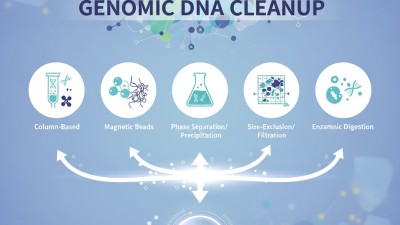
Different methods exist for genomic DNA cleanup. These include phenol-chloroform extraction, spin-column purification, and magnetic bead-based techniques. Each approach has its pros and cons. Spin columns are popular for their efficiency and ease of use. However, they can be costly. Magnetic bead methods are highly effective but may require more optimization. Researchers often face challenges in choosing the right method for their needs.
Additionally, the integrity of the DNA is crucial. Data from the National Center for Biotechnology Information highlights that degraded DNA can severely hinder the success of whole-genome sequencing. It is essential to evaluate the quality of DNA before beginning any analysis. Many labs are adopting strict protocols to minimize degradation risks and ensure optimal results. This reflects a growing awareness of the importance of genomic DNA cleanup in research settings.
Importance of Genomic DNA Cleanup in Research
Genomic DNA cleanup plays a vital role in research. When researchers extract DNA, contaminants often remain. These impurities can include proteins, salts, and other cellular debris. Such contaminants can skew results in experiments. Proper cleanup ensures the integrity of the DNA sample.
The process typically involves binding the DNA to a solid phase, washing away impurities, and eluting the clean DNA. Researchers must choose the right method for their specific needs. While some techniques are highly effective, others may leave traces of contamination. This echoes the importance of continual assessment in laboratory practices. Every researcher should reflect on their methods to identify potential flaws.
Additionally, the implications of clean genomic DNA extend beyond individual experiments. High-quality DNA is critical in fields like genomics, forensics, and personalized medicine. Poor quality samples can lead to erroneous conclusions. Misinterpretation of data can impact patient care or research outcomes. This reality emphasizes the need for rigor and precision in DNA cleanup processes.
Common Methods for Genomic DNA Cleanup
Genomic DNA cleanup is essential in molecular biology. Various methods can ensure high-quality DNA is achieved for downstream applications. One common approach is the use of silica-column purification. This method relies on the binding properties of DNA to silica under specific conditions. It's a reliable technique and widely adopted in labs.
Another effective method is ethanol precipitation. This process involves adding alcohol to the DNA solution. The DNA precipitates out, leaving contaminants in the solution. While this method is cost-effective, controlling the conditions can be challenging. Factors like temperature and time must be monitored closely.
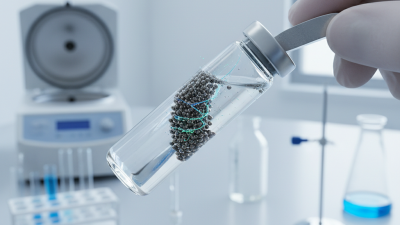
Magnetic bead-based cleanup is gaining traction. This method uses magnetic beads that bind to DNA. While it allows for quick separations, optimizing bead concentration is crucial. Too few beads may lead to incomplete recovery. Each technique has its pros and cons, and the choice often depends on specific lab needs. Balancing efficiency with accuracy requires careful consideration.
What is Genomic DNA Cleanup and How Does it Work? - Common Methods for Genomic DNA Cleanup
| Method |
Principle |
Applications |
Advantages |
Limitations |
| Column-based Purification |
Uses silica membranes to bind DNA while contaminants are washed away. |
PCR, sequencing, cloning. |
High yield, fast process, minimal handling. |
Can be expensive, potential for DNA loss. |
| Precipitation |
Involves adding alcohol to precipitate DNA, followed by centrifugation. |
General lab work, small-scale purification. |
Cost-effective, simple protocol. |
Time-consuming, requires careful handling. |
| Magnetic Bead Cleanup |
Utilizes magnetic beads that bind DNA, allowing for separation via a magnet. |
Nucleotide removal, library preparation. |
Quick, efficient, adaptable to automation. |
Bead carry-over, potential for non-specific binding. |
| Enzymatic Cleanup |
Uses enzymes to digest unwanted components while preserving DNA. |
High-purity applications, RNA removal. |
Highly specific, preserves DNA integrity. |
Long incubation times, enzyme activity variability. |
Steps Involved in the DNA Cleanup Process
Genomic DNA cleanup is essential in various biological processes, ensuring high-quality DNA for sequencing and analysis. The cleanup process typically involves several key steps to purify and concentrate the DNA. Researchers often begin with the lysis of cellular components, followed by the removal of contaminants like proteins and salts. One common method is the use of silica-based spin columns or magnetic beads. These methods effectively separate DNA from unwanted materials, resulting in pure genomic DNA.
During the cleanup, maintaining optimal conditions is crucial. Temperature and pH can significantly affect DNA integrity. For example, a pH level around 7.0 is usually ideal for many cleanup processes. Furthermore, the incubation times and temperatures must be precise, as incorrect handling may lead to DNA degradation. Data from industry reports indicate that improper cleanup can reduce the yield of high-quality DNA by up to 30%.
When performing genomic DNA cleanup, it's important to monitor your reagents and tools. Contaminated pipette tips or expired buffers can compromise results. Regularly calibrating equipment and validating protocols can reduce variability in outcomes. Even small lapses in technique can result in substantial data discrepancies, highlighting the importance of attention to detail in scientific workflows.
Applications of Cleaned Genomic DNA in Biotechnology
Genomic DNA cleanup is essential in biotechnology. Cleaned DNA enhances accuracy in various applications, from research to clinical diagnostics. After extraction, impurities can obstruct downstream applications. Biotechnologists rely on purified DNA to ensure reliable results in experiments.
Applications are vast. Cleaned genomic DNA is crucial for genetic sequencing. Accurate sequencing enables researchers to explore genetic disorders. Additionally, it supports gene therapy development, aiming to treat, or even cure, genetic conditions. A clean DNA sample leads to higher efficiency in polymerase chain reactions (PCR). This is vital when amplifying DNA segments for further analysis.
Consider these tips for optimal DNA cleanup. First, ensure your extraction method is suitable for your sample type. Different samples require specific approaches. Second, avoid contamination by using sterile equipment. Contaminated samples can lead to misleading results. Lastly, regularly validate your cleanup process to improve reliability. Mistakes can happen, but refining techniques can drive progress.