How to Start a Private Label OEM Business Successfully?
Starting a Private Label (OEM) business can be an exciting venture. Many entrepreneurs are drawn to this model for its potential profitability and market reach. However, the path to success is not always straightforward. It demands careful planning and strategic execution.
The Private Label (OEM) industry thrives on understanding consumer trends and preferences. Success relies heavily on choosing the right products and manufacturers. It is crucial to conduct thorough market research. Identifying a niche can significantly impact your brand’s visibility and growth.
Building a Private Label (OEM) business also involves establishing strong relationships. Collaborating with trustworthy suppliers is vital. You may face challenges during the process. Learning from mistakes is part of the journey. Embracing both successes and setbacks will ultimately shape your business’s resilience and adaptability.
Understanding the Private Label OEM Business Model and Its Advantages
The private label OEM business model offers flexible opportunities for entrepreneurs. It allows them to sell products under their own brand while leveraging the manufacturing capabilities of established suppliers. This can significantly reduce the initial investment and risk. In essence, you focus on branding and marketing, while the OEM handles production.
Understanding its advantages is crucial. First, there’s a broader product selection. Entrepreneurs can choose from various existing products to customize. Additionally, it often involves lower production costs. However, finding reliable suppliers is vital. Not every supplier meets quality standards, leading to potential issues. This can affect brand reputation.
Building customer trust is another challenge. Without a strong reputation, gaining market traction takes time. Entrepreneurs must invest in quality control and customer feedback. Regularly engaging with consumers helps refine offerings. This responsiveness can turn challenges into growth opportunities, fostering long-term success.
How to Start a Private Label OEM Business Successfully? - Understanding the Private Label OEM Business Model and Its Advantages
| Aspect |
Description |
Benefits |
Challenges |
| Market Research |
Identifying market trends and consumer preferences. |
Informed product decisions and niche identification. |
Time-consuming and may require expert analysis. |
| Supplier Sourcing |
Finding reliable manufacturers with quality products. |
Access to customized products and better pricing. |
Risk of supplier unreliability or delays. |
| Product Development |
Creating or modifying products to meet brand standards. |
Unique offerings that can stand out in the market. |
Requires investment in R&D and testing. |
| Branding |
Creating a strong brand identity and marketing strategy. |
Improved customer loyalty and recognition. |
Brand establishment takes time and resources. |
| Sales Channels |
Choosing the right platforms to sell products. |
Increased reach and potential customer base. |
Managing multiple channels can be complex. |
| Customer Feedback |
Gathering insights and adjusting strategies according to feedback. |
Improvement in product offerings and customer satisfaction. |
Needs consistent engagement with customers. |
Identifying Profitable Niches and Conducting Market Research
Identifying a profitable niche is essential in starting a private label OEM business. According to a report by Statista, the global private label market is projected to reach $300 billion by 2025. This exponential growth highlights the importance of selecting the right products. Research indicates that categories such as health and beauty, home essentials, and eco-friendly products are witnessing rising demand. However, competition in these niches can be fierce. A significant challenge is standing out in a saturated market.
Conducting thorough market research is crucial. Utilizing tools like Google Trends and social media analytics can provide invaluable insights. The data from a recent Nielsen report shows that 70% of consumers prefer to buy products that align with their values. This underscores the significance of targeting specific demographics. However, relying solely on data can lead to gaps in understanding customer sentiment. Engaging with potential customers through surveys or focus groups offers a fuller picture. Entrepreneurs must balance data with customer feedback to refine their strategies and meet market expectations effectively.
Identifying Profitable Niches for Private Label OEM Business
This chart represents the market demand scores for various profitable niches that can be targeted for a Private Label OEM business. Higher scores indicate greater market potential based on current trends and consumer interest.
Sourcing Quality Products and Manufacturers for Private Labeling
Sourcing quality products and manufacturers is crucial for a successful private label OEM business. Start by identifying your niche. According to a report from Grand View Research, the global private label market is projected to reach $200 billion by 2026. This growth highlights the increasing demand for unique products without big brand labels. Yet, navigating this market can be challenging.
Finding reliable manufacturers is vital. Platforms like Alibaba and ThomasNet offer lists of manufacturers, but not all are trustworthy. A 2022 survey by Statista reported that 54% of businesses faced issues with product quality when sourcing. It's essential to ask for samples. Testing the product can save you from costly mistakes later.
Consider attending trade shows. These events provide opportunities to meet manufacturers face-to-face. Establishing a rapport can lead to better negotiations. However, remember the risk involved. Poor communication or misaligned expectations can result in significant setbacks. Always have a clear contract in place to protect your interests.
Developing Effective Branding and Marketing Strategies for Your Products
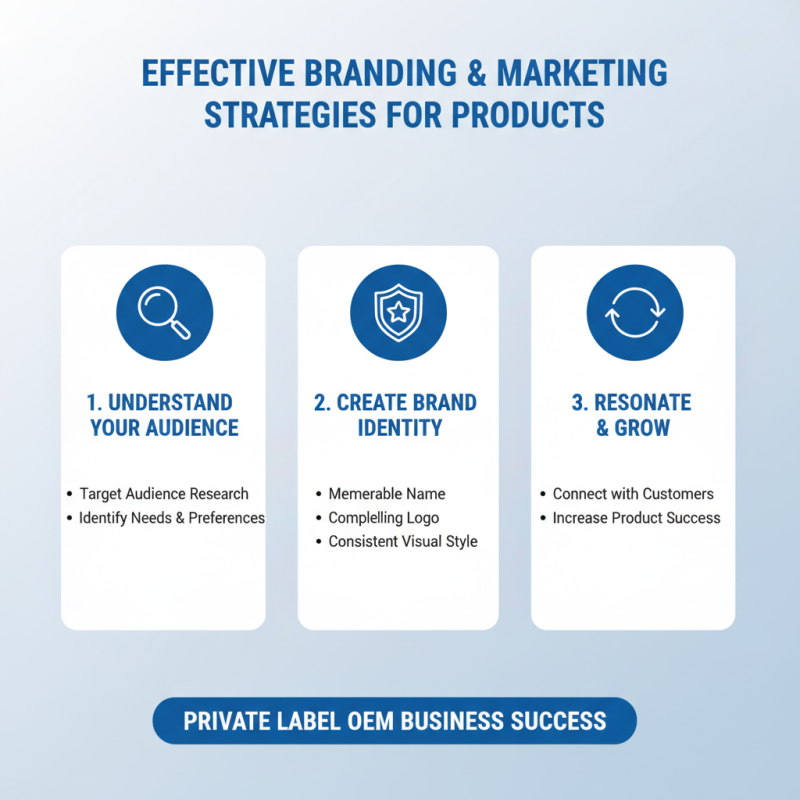
Developing strong branding and marketing strategies is crucial for the success of a private label OEM business. Start with a clear understanding of your target audience. Conduct thorough research to identify their preferences and needs. This insight will guide your branding decisions, ensuring your products resonate with potential customers. Additionally, create a unique brand identity. This includes choosing a memorable name, crafting a compelling logo, and establishing a consistent visual style across all platforms.
Effective marketing strategies are equally important. Utilize social media to engage directly with customers. Share behind-the-scenes content to build trust. Create informative blog posts that address common questions related to your products. It’s also beneficial to leverage email marketing. Send personalized messages to your subscribers, offering exclusive deals and new product announcements.
Reflect on potential challenges along the way. Building brand loyalty takes time and effort. You might face competition or unforeseen obstacles. It’s essential to remain flexible and adapt your strategies when necessary. Continuously seek feedback from your customers. Their insights can help refine your approach and enhance your brand’s credibility in a crowded market.