In recent years, In Vitro Diagnostics (IVD) has emerged as a pivotal element in modern healthcare. These tests, performed on samples such as blood and tissues, are instrumental in disease diagnosis and monitoring. The impact of IVD technologies is profound, transforming how healthcare professionals make decisions.
The field is rapidly evolving, driven by advancements in technology and growing demand for efficient patient care. Innovative trends, such as molecular diagnostics and point-of-care testing, are gaining traction. These developments enhance the accuracy of diagnoses and facilitate timely treatment, which can significantly improve patient outcomes.
However, the integration of IVD technologies is not without challenges. Dependence on these tests can lead to over-reliance and potential misdiagnosis. Continuous evaluation and improvement of these methodologies are essential for maintaining healthcare standards. As we explore the top trends shaping IVD today, we must remain aware of both their potential and their limitations.

Next-Generation Sequencing (NGS) is reshaping the landscape of in vitro diagnostics (IVD). It enables the rapid sequencing of entire genomes. According to a market report, the NGS market size was valued at approximately $8 billion in 2020, with projections to reach over $25 billion by 2026. This growth is a clear indicator of its increasing importance in healthcare.
NGS technology plays a critical role in personalized medicine. By providing detailed genetic information, it helps tailor treatments to individual patients. Cancer diagnostics, for instance, have seen significant advancements. The ability to identify specific mutations can lead to more effective therapies. However, challenges remain in integrating NGS into routine clinical practice. Regulatory hurdles and the need for skilled personnel can hinder widespread adoption.
Additionally, data management poses a dilemma. Handling vast amounts of genomic data requires robust bioinformatics tools. Currently, only a fraction of healthcare institutions are equipped to analyze this data effectively. This gap raises concerns about equitable access to advanced diagnostics. While NGS has the potential to revolutionize IVD, its implementation must be approached with caution, ensuring that it benefits all patients, not just a select few.

This chart illustrates the adoption rates of various trends in the In Vitro Diagnostics sector that are currently transforming healthcare. Next-Generation Sequencing leads with a 45% adoption rate, highlighting its growing importance in personalized medicine and diagnostics.
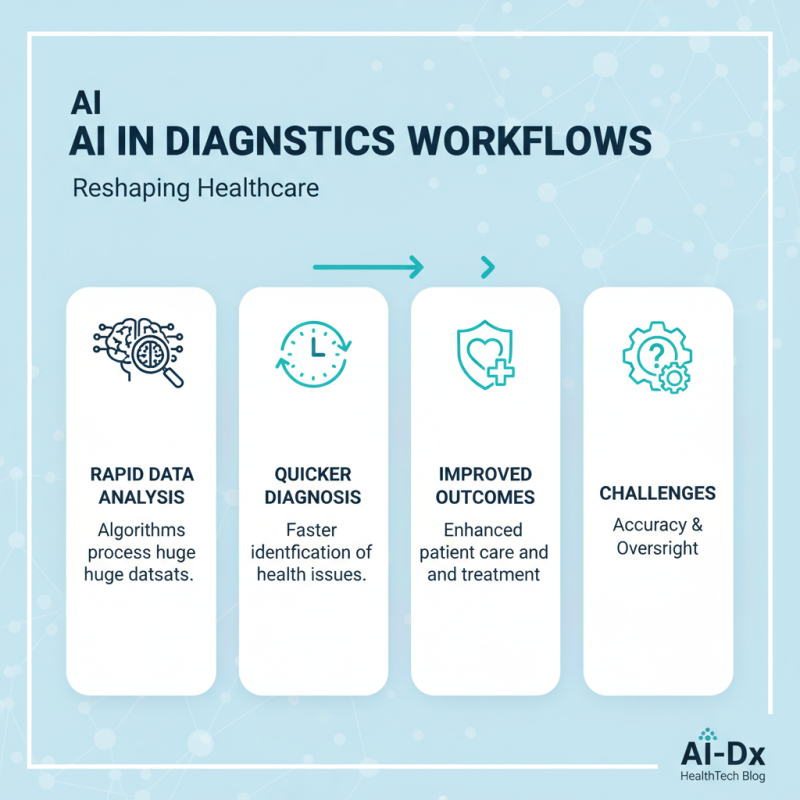
Artificial intelligence (AI) is reshaping diagnostic workflows in profound ways. AI algorithms help to analyze vast amounts of data rapidly. This technology enables quicker diagnosis, improving patient outcomes significantly. By integrating AI, healthcare professionals can identify patterns beyond human capability. However, the reliance on technology raises questions about accuracy and oversight.
Managing such powerful tools requires a blend of expertise and caution. Regular training for staff is vital. Employees must understand AI’s strengths and limitations. Trust in AI grows when professionals validate its findings. Yet, the risk of algorithmic bias still exists. Ensuring diverse training data is crucial for accuracy and fairness in diagnostics.
Tips for successful integration include maintaining human oversight. Automated systems should assist, not replace, clinical judgment. Continuous monitoring and evaluation are essential. Encourage open discussions about AI outcomes in your team. Doing so fosters a culture of learning and adaptability. This approach not only enhances diagnostics but also builds confidence in AI-driven results.
Point-of-care testing (POCT) is transforming healthcare by bringing diagnostic capabilities closer to patients. This shift allows for quicker decision-making and immediate treatment options. Patients no longer wait for days to receive test results. With devices becoming more compact and user-friendly, healthcare professionals can perform tests efficiently right at the bedside or in remote areas.
However, access to advanced POCT can be limited. In some regions, lack of resources and training hinders widespread adoption. Many clinics may not have the latest technology, impacting the quality of care. It’s essential to address these gaps to ensure equitable healthcare access for all.
Tips:
- For effective implementation, staff training is crucial. Ensure all personnel understand device operation and result interpretation.
- Consider patient education on available tests. Knowledge empowers patients to engage in their healthcare decisions.
Acknowledging these challenges is vital. While advancements are promising, ongoing efforts are essential to enhance accessibility. Expanding POCT’s reach can significantly improve patient outcomes, but it requires a commitment from healthcare systems.
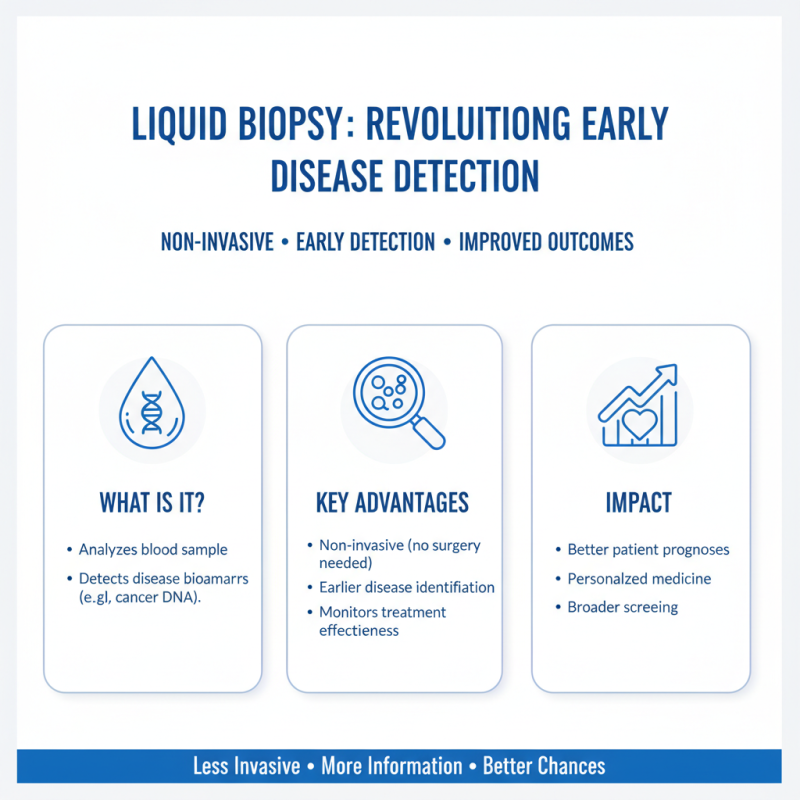
The expanding role of liquid biopsy is reshaping early disease detection. Unlike traditional methods, which often require invasive procedures, liquid biopsies analyze blood samples to detect cancer-related biomarkers. This non-invasive approach helps identify diseases at an earlier stage, significantly improving patient outcomes.
According to recent industry reports, the global liquid biopsy market is projected to reach $9.2 billion by 2028, growing at a CAGR of 24.4%. These statistics indicate the increasing reliance on liquid biopsies in precision medicine. They allow for real-time monitoring of treatment responses. The ability to adapt therapies based on the molecular profile of a patient can lead to more personalized healthcare.
However, challenges remain. The technology is not uniformly accessible. Costs may hinder widespread adoption. Additionally, not all liquid biopsies demonstrate the same level of accuracy. Ongoing research is crucial to establish the best practices for implementation. Overall, while the promise of liquid biopsies is substantial, the journey toward optimal utilization continues.
The rise of personalized medicine is reshaping how healthcare delivers treatments. In vitro diagnostics (IVD) play a critical role in this transformation. By analyzing an individual’s unique genetic makeup, medical professionals can tailor therapies to their specific needs, increasing efficacy and minimizing side effects. This approach ensures that patients receive the most effective treatment from the start.
Diagnostics today utilize advanced technologies to improve accuracy. Genetic testing, for instance, is now more accessible and informative. This innovation allows for the identification of disease predispositions. Personalized treatment plans can be devised based on these insights. However, this process isn't without its challenges. Data privacy and ethical considerations are paramount, necessitating constant dialogue among stakeholders.
Tips: When discussing personalized medicine, consider patient education. Patients should understand test results clearly. Transparency builds trust and aligns expectations. Always consult with healthcare professionals for guidance tailored to individual situations. Embracing personalized IVD means navigating a complex landscape, but the potential benefits are significant.
| Trend | Description | Impact on Healthcare | Future Prospects |
|---|---|---|---|
| Personalized Medicine | Tailoring treatments to individual genetic profiles. | Improved treatment efficacy and reduced adverse effects. | Greater adoption of genomics in clinical settings. |
| Point-of-Care Testing | Rapid diagnostic tests at or near the site of patient care. | Enhanced patient satisfaction with quicker results. | Increased development of portable devices. |
| Digital Health Integration | Integration of diagnostics with digital technologies and platforms. | Streamlined data sharing and patient management. | Expansion of telehealth services. |
| NGS (Next-Generation Sequencing) | High-throughput sequencing technology for detailed genetic insights. | Revolutionizes genetic diagnosis and therapy selection. | Wider application in oncology and rare diseases. |
| Biomarker Discovery | Identification of biological markers for disease diagnosis. | Improved early detection and prognosis. | Promising developments in personalized therapeutics. |
| Automation and Robotics | Use of automated systems for laboratory diagnostics. | Increased efficiency and accuracy in test results. | Advancements in laboratory workflow solutions. |
| Regulatory Changes | Shifts in regulations regarding the approval of IVD products. | Faster access to market for innovative diagnostics. | More streamlined regulatory processes expected. |
| Artificial Intelligence | Utilization of AI algorithms to enhance diagnostic accuracy. | Reduction of human error and improved decision-making. | Increased reliance on data-driven diagnostics. |
| Personal Health Monitoring | Use of diagnostic tools for continuous health tracking. | Proactive health management and disease prevention. | Growing interest in wearable health technologies. |