Why Choose Magnetic Beads for DNA Extraction Efficiency?
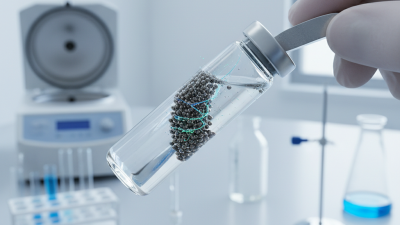
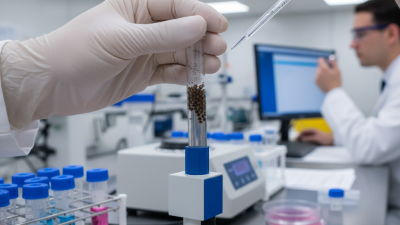
The efficiency of DNA extraction is crucial in scientific research and diagnostics. Magnetic Beads DNA Extraction has revolutionized this process. These beads offer a simpler, more effective method for isolating high-quality DNA. Their unique properties enable easy binding and quick separation from complex mixtures.
Research shows that magnetic beads provide superior yield compared to traditional methods. Using magnetic beads minimizes sample loss. The protocol is also user-friendly, making it accessible for labs of various sizes. However, some protocols may require optimization based on specific samples.
Each step in Magnetic Beads DNA Extraction comes with considerations. Improper handling can lead to suboptimal results. It’s essential to adhere strictly to guidelines for the best outcomes. This ensures consistent reliability, a vital factor in DNA analysis. Addressing these challenges makes magnetic beads a favored tool in molecular biology.
Types of Magnetic Beads Used in DNA Extraction
Magnetic beads have become popular in DNA extraction due to their efficiency and ease of use.
Various types of magnetic beads are utilized, each serving specific purposes in the extraction process.
These beads often differ in size, surface chemistry, and magnetic responsiveness. This diversity allows scientists to select
the most suitable option for their application.
For instance, silica-coated magnetic beads are favored for their high binding capacity and rapid isolation of nucleic acids.
They provide reliable yields and are less prone to contamination. In contrast, carboxylated magnetic beads
are ideal for applications requiring covalent bonding due to their reactive surface. This feature can enhance the specificity of the extraction process.
Some conventional bead types, while effective, may not perform well under specific conditions.
They can sometimes lead to lower yield or purity if not optimized.
Researchers need to critically assess their choice of magnetic beads based on their particular needs.
Understanding the advantages and limitations of each option is crucial for successful DNA extraction.
Mechanism of Action: How Magnetic Beads Capture DNA
Magnetic beads have transformed DNA extraction processes significantly. These beads possess unique properties that allow them to capture DNA efficiently. When added to a sample containing DNA, these beads bind to the nucleic acids due to their surface chemistry. This binding is not merely physical; it is an intricate interaction of various forces, including ionic and hydrophobic forces. The result is a robust and effective way to isolate DNA from cellular debris.
After binding, the beads are separated from the solution using a magnetic field. This process is usually fast and straightforward, making DNA extraction more efficient than traditional methods. Researchers note that while the process seems simple, it requires careful consideration of binding conditions. Factors like pH and ionic strength can affect the efficiency. Small adjustments can yield different results, so it's crucial to fine-tune these parameters for optimal DNA yield.
However, challenges remain. Sometimes, the beads may not effectively bind all DNA types. For example, GC-rich regions can be more challenging to isolate. This inconsistency can lead to varying results in different experiments. Continuous research is needed to enhance the reliability of magnetic bead technologies in DNA extraction while addressing these shortcomings.
Advantages of Magnetic Beads Over Traditional Methods
Magnetic beads have proven to be a revolutionary choice for DNA extraction. Traditional methods often rely on tedious protocols and significant manual labor. Reports indicate that these conventional techniques can yield variable results, sometimes as low as 50% DNA recovery efficiency. In contrast, magnetic bead-based methods have surpassed this, achieving extraction efficiencies of up to 95%. This improvement can be attributed to their ability to bind DNA quickly and reliably.
One reason for their superiority is the automation potential. Automation streamlines workflows, reduces human error, and enhances reproducibility. A study highlighted that labs utilizing automated magnetic bead protocols reported a 30% reduction in processing time. This is especially beneficial in high-throughput environments where speed is paramount. However, reliance on automation might lead to oversight of crucial manual checks, highlighting a potential area for improvement.
Furthermore, magnetic beads provide greater specificity in capturing DNA. They are less affected by inhibitors present in biological samples, unlike traditional silica-based methods. This characteristic allows for cleaner samples, which is crucial for downstream applications. Yet, researchers must be cautious. The choice of beads and conditions might introduce variability. It emphasizes the importance of careful selection and validation to maximize efficiency.
Factors Influencing DNA Extraction Efficiency with Magnetic Beads
Magnetic beads have gained popularity in DNA extraction due to their efficiency and ease of use. One key factor influencing extraction efficiency is bead size. Studies suggest that smaller beads can increase surface area, enhancing binding capacity. A report from Nature Biotechnology indicates that using beads with a diameter of around 1 µm can improve DNA yield by 30%.
Another critical aspect is the wash buffer composition. The ionic strength and pH of the buffer significantly affect the binding of DNA to beads. Research shows that an optimized buffer can reduce contamination and increase purity by up to 40%. However, many protocols still rely on generic buffers that may not suit all applications, leading to inconsistent results.
The incubation time also plays a vital role. Insufficient time can result in low yields, while excessive time may cause DNA degradation. Many protocols suggest incubation times ranging from 5 to 30 minutes, but some studies recommend adjusting this based on specific sample types. Although reliable, this variability can make it challenging to standardize extraction workflows. Addressing these factors is crucial for ensuring reproducible and efficient DNA extraction with magnetic beads.
Applications of Magnetic Beads in Molecular Biology and Biotechnology
Magnetic beads have gained significant attention in molecular biology and biotechnology. Their unique properties make them ideal for various applications, particularly in DNA extraction. These beads can quickly and efficiently bind to nucleic acids, leading to a streamlined extraction process. This efficiency is crucial in research and clinical settings where time and accuracy are of the essence.
In addition to DNA extraction, magnetic beads are used in diagnostics and therapeutics. They facilitate the separation of biomolecules in complex mixtures, which is vital for applications like PCR and sequencing. Researchers appreciate their versatility. However, challenges such as bead aggregation and non-specific binding can arise, impacting results. Therefore, careful optimization of protocols is essential.
Tip: Always assess the purity of isolated DNA. This can save time in downstream applications. Another tip is to use calibrated magnets to ensure consistent bead retrieval and minimize sample loss. Optimization is not a one-time task. Continuous reflection on methodologies helps enhance outcomes in experiments.