2026 Top Trends in Genomic DNA Cleanup Techniques and Innovations?
In recent years, genomic DNA cleanup has gained significant attention in the field of genomics. This process is crucial for ensuring the accuracy and reliability of sequencing results. According to a report by MarketsandMarkets, the global market for DNA purification technologies is projected to reach $2 billion by 2026. This growth highlights the increasing importance of effective genomic DNA cleanup techniques.
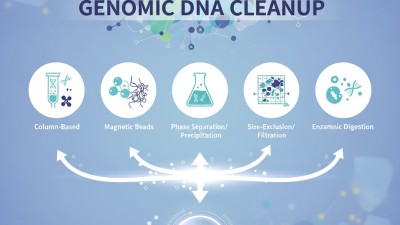
Advanced methods are essential for researchers. Poor cleanup can lead to contamination and subpar results. Innovations in this space include magnetic bead-based techniques and enzymatic approaches. These advancements improve yield and purity, enhancing downstream applications. However, challenges remain. Not all methods are universally applicable, and some may introduce biases or errors.
As we approach 2026, the focus on genomic DNA cleanup will intensify. Researchers will need to adopt better protocols to tackle contamination issues. Continuous improvement in technologies is vital. The goal is to achieve higher quality results that can drive discoveries in genomics and beyond. The landscape is evolving, and adaptation will be key.
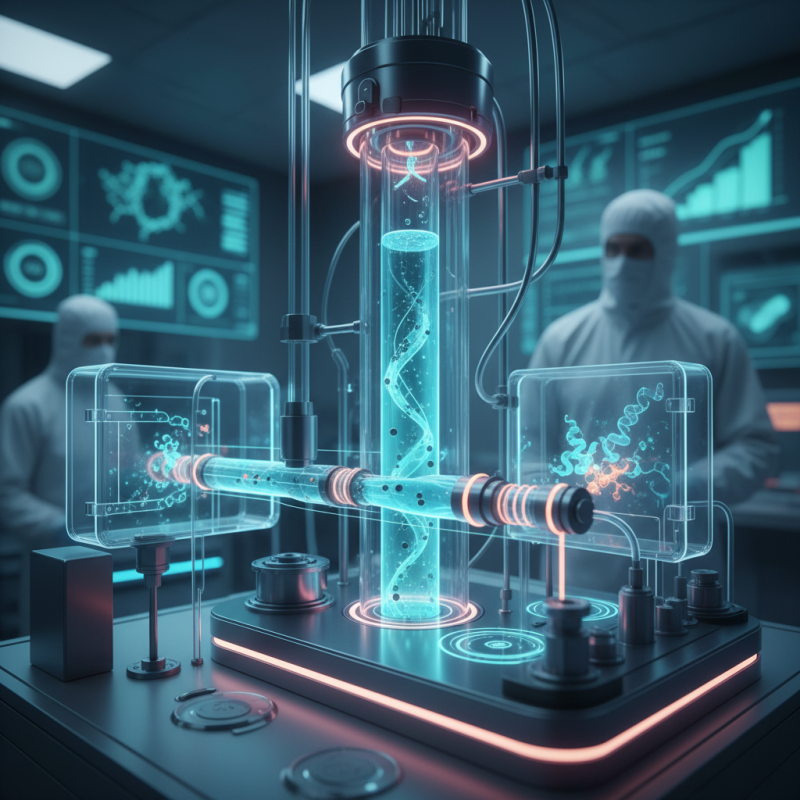
Emerging Technologies in Genomic DNA Cleanup for 2026
The emergence of new technologies in genomic DNA cleanup is crucial for 2026. Innovations in this field focus on improving accuracy and efficiency. A recent report by genomic research leaders indicates that the demand for high-quality DNA extraction is projected to grow by 14% annually. This trend highlights the need for technologies that can streamline the cleanup process.
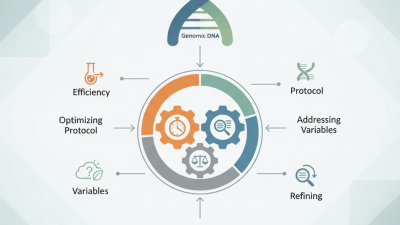
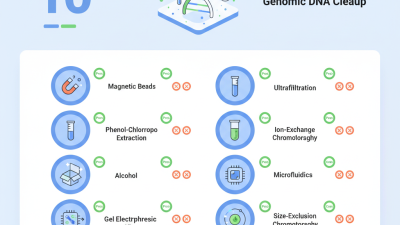
One promising approach is the use of magnetic beads for nucleic acid purification. This technique allows for rapid isolation of DNA with minimal contamination. Studies show that it can yield up to 90% purity in some cases. However, these methods require optimization. Often, researchers face challenges with bead-to-sample ratios and incubation times, which can affect the overall yield.
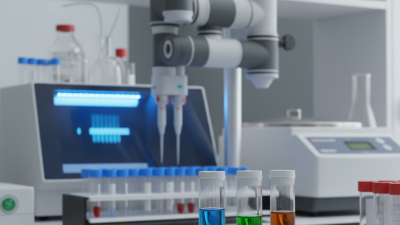
Another notable trend is automation in DNA cleanup. Automated systems can process multiple samples simultaneously, enhancing throughput. However, these technologies are still adapting to cope with diverse sample types. Flexibility in protocols is necessary to accommodate various biological materials. The limitations in current automation methods reveal an area ripe for further exploration and innovation.
2026 Top Trends in Genomic DNA Cleanup Techniques and Innovations
Advancements in Automated DNA Cleanup Solutions and Equipment
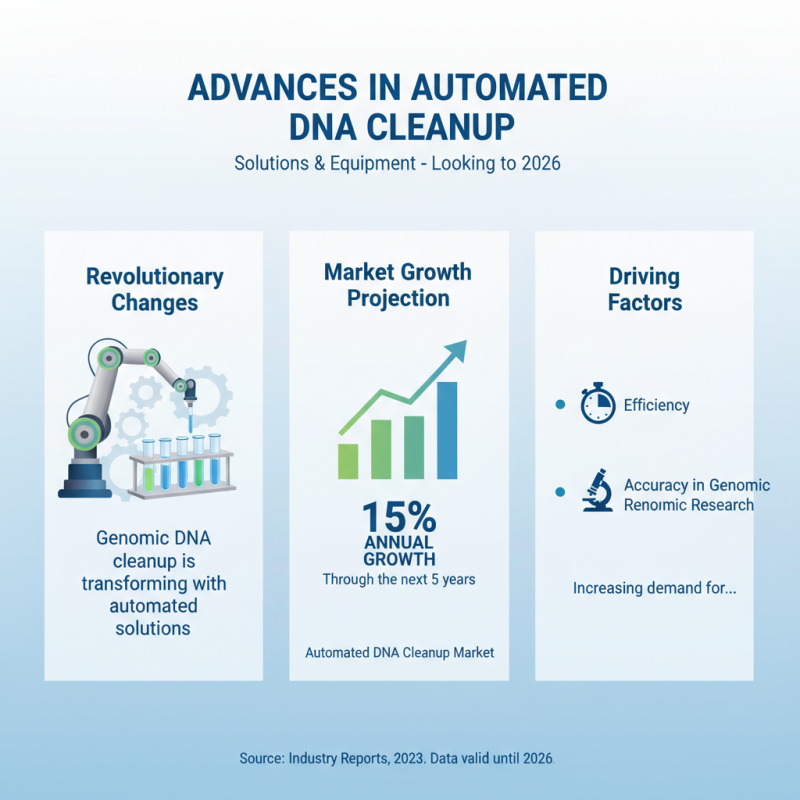
As we look forward to 2026, the field of genomic DNA cleanup is witnessing revolutionary changes, particularly in automated solutions. Recent reports indicate that the automated DNA cleanup market is projected to grow significantly, with an annual growth rate of around 15% through the next five years. This acceleration reflects a growing demand for efficiency and accuracy in genomic research.
Automated systems enhance reproducibility and reduce the manual workload associated with traditional methods. For instance, robotic platforms can process hundreds of samples simultaneously, yielding consistent results without human error. Some studies have highlighted that automation can decrease sample contamination rates by up to 50%. However, these systems often come with a steep initial investment. Smaller laboratories might struggle to adopt such technology.
Despite these advancements, challenges remain. The complexity of some automated systems necessitates skilled personnel for proper operation. Moreover, calibration and maintenance can be burdensome for labs lacking sufficient resources. As the industry evolves, finding a balance between automation benefits and practical implementation will be crucial. Exploring these issues is essential in ensuring that innovations truly meet the needs of genomic researchers.
Evaluation of Novel Chemical Reagents in DNA Purification Processes
The landscape of genomic DNA cleanup is rapidly evolving. New chemical reagents are playing a critical role in enhancing DNA purification. Researchers are pushing boundaries to find more efficient and robust methods. These innovations often focus on reducing contamination and improving yield.
Recent evaluations have shown promising results with various novel reagents. For example, some innovative agents demonstrate higher binding affinity to nucleic acids. In contrast, others are tailored to minimize the presence of inhibitors during extraction. However, it’s essential to scrutinize these new methods. Some reagents may introduce unexpected biases during analysis.
The shift towards greener chemistry is also noticeable. Certain reagents aim to reduce environmental impact, aligning with global sustainability goals. Yet, while these approaches are commendable, they may present challenges in scale-up. Researchers must be mindful of the balance between performance and practicality. Continuous validation and optimization of these methods are crucial for reliable DNA purification.
2026 Top Trends in Genomic DNA Cleanup Techniques and Innovations
| Trend/Innovation |
Description |
Chemical Reagents |
Efficiency (%) |
Ease of Use (1-5) |
| Magnetic Bead-Based Cleanup |
Utilizes magnetic beads for the isolation of DNA. |
Silica-Coated Magnetic Beads |
95 |
4 |
| Optimized Buffer Systems |
New buffer formulations to enhance DNA yield. |
Tris-EDTA Solutions |
90 |
5 |
| PCR Clean-Up Innovations |
Enhanced methods for clearing PCR products. |
Polymerase Enzyme Extracts |
92 |
3 |
| Solid-Phase DNA Recovery |
Solid-phase extraction techniques for effective separation. |
Silica Membranes |
88 |
4 |
| Automated DNA Cleanup |
Integration of automation in DNA purification processes. |
Automated Liquid Handling Systems |
94 |
5 |
Impact of Microfluidics on Genomic DNA Cleanup Efficiency
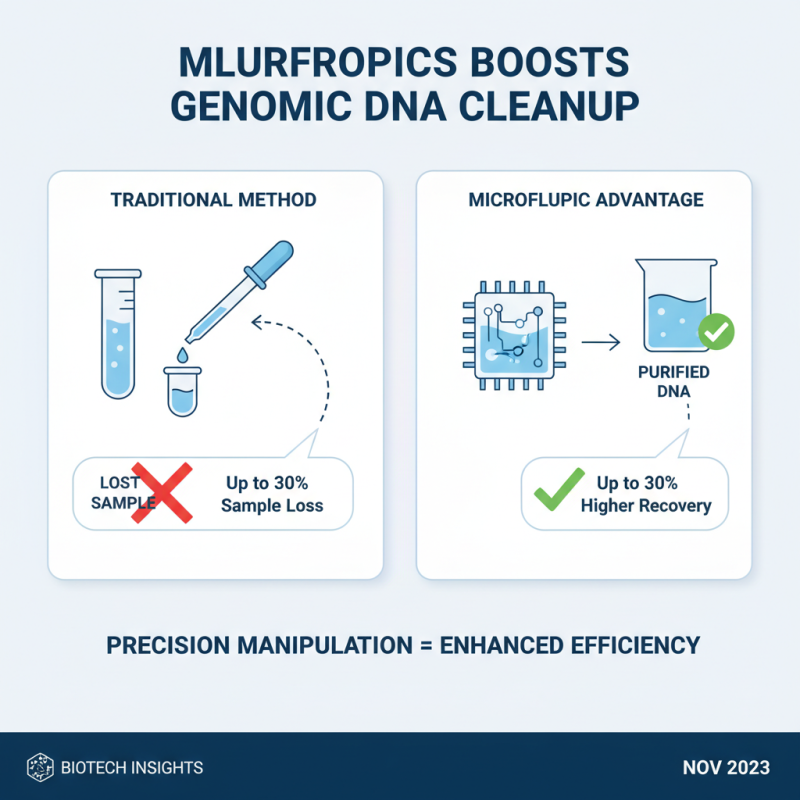
The integration of microfluidics in genomic DNA cleanup processes represents a significant advancement in biotechnology. Recent studies indicate that these techniques can enhance DNA recovery rates by up to 30%. This improvement stems from the precision microfluidic devices offer, allowing for the manipulation of tiny volumes for efficient separation and purification. Researchers at leading institutions have noted that traditional methods often lead to loss of samples, especially when handling small quantities. Microfluidics mitigates this problem.
Data from a 2023 industry report highlights that microfluidic platforms reduce cross-contamination risk significantly. In standard cleanup procedures, contaminants can compromise downstream applications like sequencing. Microfluidics minimizes contact surfaces and uses controlled flow rates, ensuring cleaner samples. This technique is especially useful when working with low-input DNA, where maintaining sample integrity is crucial.
However, challenges remain. The complexity of microfluidic systems can require specialized training and experience. Additionally, initial setup costs might deter some laboratories. As with any innovation, the balance between efficiency and practicality is vital. Ongoing research is necessary to optimize these tools for widespread adoption in genomic workflows. This underscores the need for continuous evaluation of emerging technologies in the field.
Trends in Environmental and Sustainable Practices for DNA Extraction
In recent years, the extraction and cleanup of genomic DNA have seen significant advancements, particularly with an emphasis on environmental sustainability. Researchers are increasingly aware of their impact on the planet. Eco-friendly practices are now essential in DNA extraction protocols, reducing harmful waste and energy consumption.
One innovative approach is using biodegradable materials in the extraction process. Traditional methods often rely on plastic consumables, which contribute to environmental issues. By replacing these with compostable alternatives, labs can lessen their ecological footprint. Furthermore, energy-efficient extraction techniques are becoming more popular. These methods not only conserve resources but also enhance the quality of extracted DNA.
When implementing new techniques, consider these tips: always evaluate the environmental impact of your methods. Engage with local waste management practices to ensure proper disposal of materials. Lastly, stay updated on regulations related to sustainable practices in your field. Reflecting on your current procedures is critical; even minor adjustments can lead to major improvements in sustainability. Embracing these shifts can foster a more responsible and impactful scientific community.