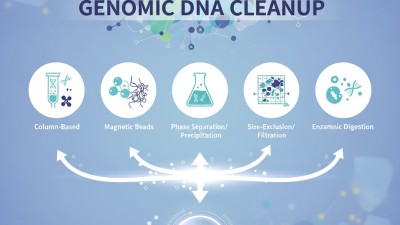
DNA magnetic beads are tiny particles with a magnetic core and reactive outer surface. Their value comes from controlled separation, not from DNA being naturally magnetic. Most systems use silica-like or carboxyl-coated surfaces. In a binding buffer, salts or polyethylene glycol reduce DNA solubility. DNA then attaches to the surface. A magnet pulls the loaded particles aside. The liquid can be removed without centrifugation. This simple movement protects fragile workflows.
A typical extraction starts with sample lysis. The cleared mixture meets beads under defined mixing conditions. DNA binds during this contact period. The tube rests against a magnetic rack. Wash buffers remove proteins, pigments, salts, and enzyme inhibitors. Ethanol carryover is a common problem. It can weaken later amplification. After brief air-drying, a low-salt elution buffer releases DNA. Gentle pipetting helps; harsh vortexing may create foam or fragmented material.
Choosing the best beads in 2026 depends on sample type, DNA size, yield, purity, and automation needs. I compare recovery with a fluorometric assay and purity with absorbance ratios. Controls matter more than attractive specifications. The first optimization is rarely perfect. Binding time, bead volume, and wash duration may need adjustment. Very dry beads can reduce recovery, while incomplete washing leaves inhibitors. A reliable protocol records lot performance, temperature, mixing speed, and elution volume. Small details decide whether a clear tube contains useful DNA or almost none.