2026 Best In Vitro Diagnostics IVD Options for Global Buyers?
In Vitro Diagnostics (IVD) is a rapidly evolving field. The market is projected to reach $105.6 billion by 2026, according to several industry reports. This growth is driven by the increasing demand for early disease detection and personalized medicine.
However, making informed choices in IVD can be challenging. Buyers face a variety of options, each with unique features and specifications. Trends indicate a shift toward molecular diagnostics and point-of-care testing, which emphasize speed and accuracy. Still, verifying a product's reliability remains crucial.
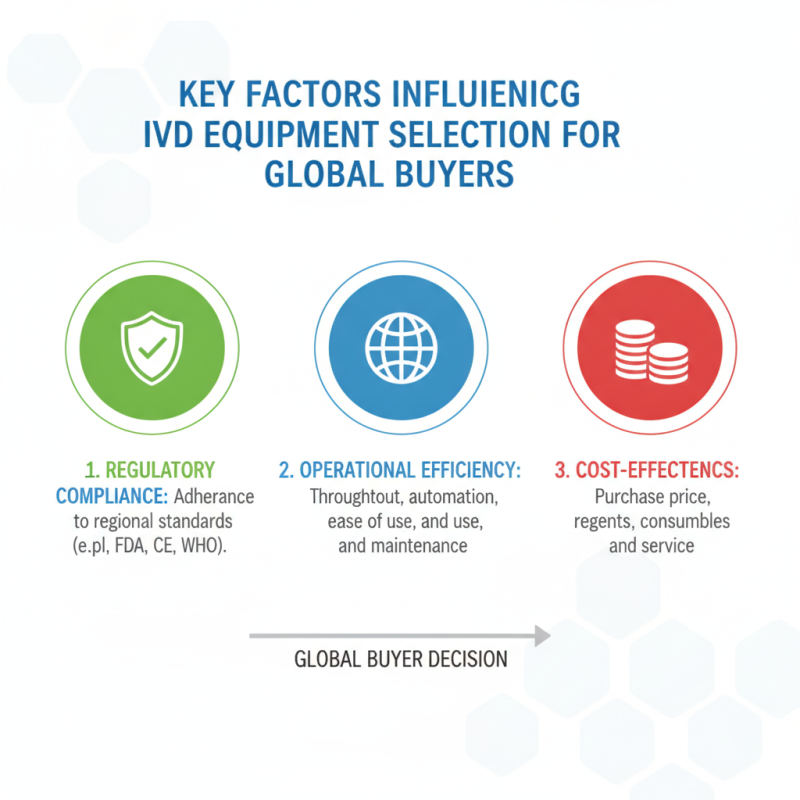
Global buyers must also consider regulatory compliance and market access when selecting IVD options. High-quality manufacturers emphasize transparency in their processes. However, discrepancies in quality across suppliers can be concerning. This underscores the need for thorough research and evaluation in the decision-making process.
Overview of In Vitro Diagnostics (IVD) Market Trends for 2026
The In Vitro Diagnostics (IVD) market is anticipated to expand significantly by 2026. According to market research reports, the global IVD market size is projected to reach over $115 billion by that year, growing at a CAGR of around 5.5%. This growth is driven by advancements in technology and an increasing demand for rapid diagnostic solutions.
A prominent trend is the rise of point-of-care testing, enhancing patient access to diagnostics. This is relevant for remote areas or during emergencies. Another emerging area is the integration of artificial intelligence in diagnostic tools. AI can improve accuracy and reduce human error, but organizations must ensure proper implementation to prevent misdiagnoses.
Tips: Evaluate the reliability of new IVD technologies. Research published studies and seek expert opinions. Additionally, consider how regulations affect product adoption in different regions. The dynamics of the IVD market suggest that while innovation thrives, buyers must navigate uncharted waters with care.
2026 Best In Vitro Diagnostics (IVD) Options for Global Buyers
This chart illustrates the projected growth and market share distribution of various in vitro diagnostics (IVD) categories in 2026, highlighting trends that global buyers should consider.
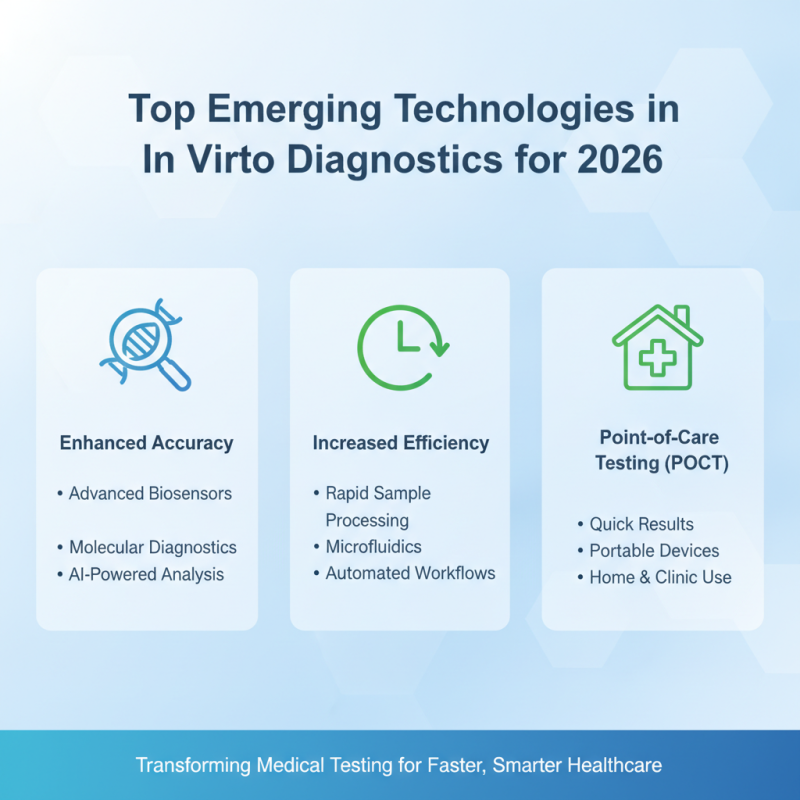
Top Emerging Technologies in In Vitro Diagnostics for 2026
The field of in vitro diagnostics (IVD) is continuously evolving. In 2026, several emerging technologies stand out. These innovations promise to enhance accuracy and efficiency in medical testing. Point-of-care testing (POCT) is becoming increasingly popular. It allows for quick results, enhancing patient care in various settings, including clinics and homes. This method can significantly reduce the time between testing and diagnosis.
Another promising technology is next-generation sequencing (NGS). It offers comprehensive genetic information with high sensitivity. This can lead to better understanding of genetic disorders and targeted therapies. The integration of artificial intelligence in IVD is also noteworthy. AI algorithms can analyze data and predict outcomes more effectively than traditional methods.
Tips: When exploring IVD options, consider user-friendliness. A complex system can slow down operations. Also, keep an eye on regulatory compliance. Innovation is valuable, but it must meet safety standards. Reflect on your specific needs. Not every technology suits every facility. Take the time to evaluate effectiveness over hype.
Regulatory Considerations for IVD Purchases in Different Markets
When exploring in vitro diagnostics (IVD) for global markets, regulatory considerations are crucial. Different regions have unique requirements. For instance, the European Union mandates CE marking for IVD products. This certification shows compliance with stringent safety and performance standards. According to a recent report, approximately 35% of European IVD products are delayed in launch due to regulatory hurdles.
In the United States, the FDA lists several pathways for IVD approval. The 510(k) pathway is commonly used, allowing devices to enter the market faster. However, the process can still be complex, often taking over a year. Meanwhile, some emerging markets, such as those in Southeast Asia, are developing their regulatory frameworks. These markets might offer faster approval times, but buyers must be cautious. Regulations may still be loose, leading to quality concerns.
Market research indicates that about 20% of buyers are unaware of their region’s specific regulations. This lack of knowledge can lead to poor purchasing decisions or compliance issues. Furthermore, evolving guidelines mean that constant vigilance is necessary. Staying updated can be challenging, yet it's fundamental for successful IVD procurement in global markets.
Best Practices for Evaluating IVD Suppliers and Products
In today's dynamic healthcare landscape, choosing the right in vitro diagnostics (IVD) products requires careful evaluation. Reliable suppliers are crucial. A recent report indicated that the global IVD market is projected to reach $115.2 billion by 2026. To navigate this market effectively, buyers must assess their potential suppliers' capabilities and experience.
When evaluating IVD suppliers, consider their certifications and compliance with international standards. Look for companies with ISO 13485 certification, which ensures quality management in medical devices. Additionally, analyze their past performance and customer satisfaction ratings. Attention to operational consistency is essential. Are their products reliably delivered on time?
Tip: Create a checklist of critical factors when reviewing potential partners. This should include quality control measures, technical support, and innovation track records. Ensuring your suppliers have a strong support system can influence your purchasing decision significantly.
Assessing product performance through independent studies is equally important. Data from reputable clinical trials can provide insights into the accuracy and reliability of the diagnostics you intend to purchase. Occasionally, what looks good on paper may not perform as expected in real-world situations.
Tip: Request samples and conduct internal testing to validate supplier claims. Relying solely on documentation can lead to costly mistakes. Prioritize transparency and open communication; a reputable supplier will be ready to address any queries.
2026 Best In Vitro Diagnostics IVD Options for Global Buyers
| IVD Type |
Technology |
Key Features |
Regulatory Status |
Market Availability |
| Blood Glucose Meter |
Electrochemical |
High accuracy, Bluetooth connectivity |
CE Marked, FDA Approved |
Global |
| PCR Testing Kit |
Molecular |
Rapid results, user-friendly |
CE Marked, Emergency Use Authorization |
North America, Europe |
| Serological Assay |
Immunoassay |
High sensitivity, multiplexing capability |
ISO Certified, CE Marked |
Asia, Europe |
| Point of Care Test |
Lateral Flow |
Fast results, portable |
FDA Cleared, CE Marked |
Global |