2026 Best DNA Library Preparation Kits for NGS

Choosing a kit for DNA Library Preparation for NGS is not a minor purchasing decision. It shapes how faithfully a sample’s fragments become sequencing-ready molecules. A weak preparation can waste precious DNA, distort coverage, or leave uneven adapters across the library. Small details matter: input mass, fragment size, bead cleanup, and the time spent at the bench.

Genomics researcher Jay Shendure has helped advance sequencing methods and their applications. A useful editorial paraphrase of the principle behind his field is: “Reliable sequencing starts with a library prepared for the question being asked.” This is a paraphrase, not a verified verbatim quotation. That distinction matters in a technical comparison. Kits should be assessed against published protocols, validated performance data, and the intended sample type—not marketing language alone.

This 2026 guide compares leading DNA Library Preparation for NGS kits across workflow time, input requirements, automation compatibility, and application fit. Some workflows favor speed. Others protect low-input or challenging samples. No kit wins every bench. A kit that performs well with clean genomic DNA may disappoint with degraded material, and reported yields can vary between laboratories. That deserves a closer look. Researchers should confirm current manufacturer instructions and independent validation before selecting a kit. The best choice is the one that fits the sample, platform, budget, and quality-control plan.
2026 Best DNA Library Preparation Kits for NGS

What DNA Library Preparation Kits Do in NGS

In NGS, a DNA library preparation kit turns extracted DNA into fragments that a sequencer can read. The workflow typically adds platform-compatible adapters, attaches sample indexes, and prepares fragments for sequencing. Some kits also include DNA repair, size selection, or amplification steps. In practical terms, the kit helps transform a tube of DNA into a pooled set of identifiable sequencing molecules. Indexes matter when several samples share one run. Poor preparation can mean uneven coverage, lost fragments, or extra duplicates. Small steps matter.

The choice of kit affects more than convenience. Input amount, DNA quality, target size, and whether amplification is needed can all change results. The National Human Genome Research Institute’s sequencing-cost tracking documents a steep decline in genome sequencing costs, from roughly $100 million per genome in 2001 to below $1,000 in the mid-2010s. As sequencing becomes more accessible, avoidable library failures can waste valuable samples and run capacity. Grand View Research estimated the global NGS market at about $8.3 billion in 2023, with projected annual growth of 16.4% through 2030. That forecast signals expanding use, not guaranteed performance. A kit’s stated yield is only a starting point; actual results depend on sample condition and careful handling. Even experienced labs should verify library size and concentration before pooling. The workflow is not perfectly predictable.
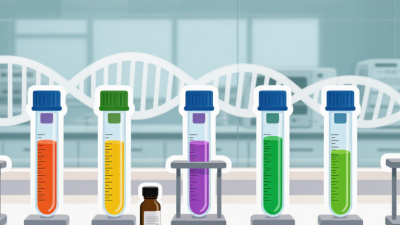
2026 Best DNA Library Preparation Kits for NGS — What DNA Library Preparation Kits Do

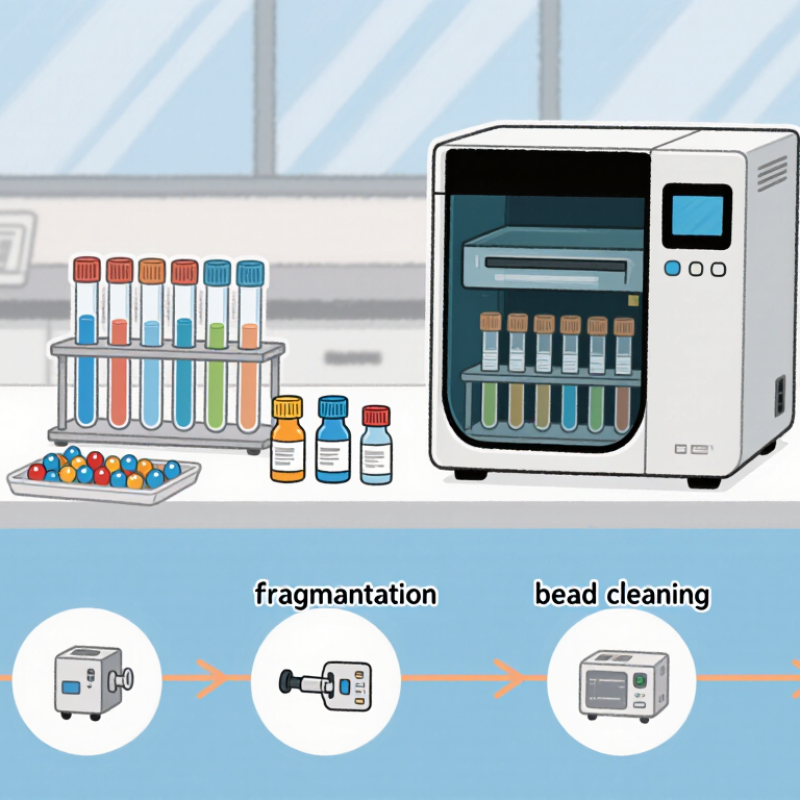
A DNA library preparation workflow converts DNA fragments into adapter-tagged molecules that can be sequenced by an NGS instrument.

Illustrative approximate durations for a conventional ligation-based workflow, not a comparison of specific kits. Actual timing varies with protocol, input DNA, and equipment; QC and instrument setup are excluded.

The Main Steps in DNA Library Preparation

2026 Best DNA Library Preparation Kits for NGS

The Main Steps in DNA Library Preparation

A reliable DNA library starts with a clean, measured sample. Check concentration with a fluorometric assay, then inspect purity and DNA integrity. Contaminants can disrupt enzymes, while degraded DNA may produce uneven fragment sizes. Small details matter. Record input volume and sample condition before beginning; these notes help explain unusual results later.

Fragmentation creates DNA pieces suited to the sequencing platform and study design. Enzymatic or mechanical methods can be used, but the chosen method affects size distribution. End repair and A-tailing prepare fragment ends for adapter ligation. Adapters add platform-compatible sequences and sample indexes. After ligation, cleanup removes excess adapters and short fragments. PCR enrichment may follow, though excessive cycling can increase duplicates and bias.

Quality checks belong throughout the workflow, not only at the end. Measure library concentration and assess fragment size before pooling. NIST’s Genome in a Bottle benchmark materials define high-confidence regions covering roughly 85% of the autosomal genome, underscoring why performance should be evaluated against well-characterized reference data. The workflow is not perfectly linear: weak yields may require reviewing DNA input, cleanup losses, or adapter-ligation conditions. A tidy protocol cannot compensate for every variable.

2026 Best DNA Library Preparation Kits for NGS - The Main Steps in DNA Library Preparation

Library Preparation Approach Main Workflow Steps Typical DNA Input* Fragmentation Method PCR Amplification Typical Hands-On Workflow Time* Suitable Applications Key Selection Considerations
Ligation-based, PCR-free DNA fragmentation; end repair and A-tailing; adapter ligation; library cleanup and quality assessment. Often about 100 ng to 1 µg; exact requirements depend on the workflow and sample quality. Usually performed separately, commonly by acoustic shearing or enzymatic fragmentation. Typically omitted, helping reduce amplification bias and duplicate formation. Approximately 3–6 hours, excluding separate fragmentation and instrument run time. Whole-genome sequencing and other applications where high library complexity is important. Requires relatively abundant, good-quality DNA. Check adapter design, DNA size requirements, and whether the workflow supports the intended sequencing platform.
Ligation-based, PCR-amplified DNA fragmentation; end repair and A-tailing; adapter ligation; bead cleanup; limited-cycle library amplification; quality assessment. Commonly a few nanograms to hundreds of nanograms, with the validated range varying by kit and sample type. Often separate acoustic or enzymatic fragmentation; some workflows accept already-fragmented DNA. Included; cycle number is generally adjusted to input amount and library yield. Approximately 3–6 hours, depending on fragmentation and cleanup steps. Whole-genome, exome, and targeted sequencing when input is limited or additional library yield is needed. Additional PCR can introduce amplification bias and duplicates. Follow the validated input range and avoid unnecessary cycles.
Transposase-based (tagmentation) DNA fragmentation and adapter-tagging in a combined reaction; limited-cycle amplification; cleanup and quality assessment. Often about 1–100 ng, depending on the workflow; some protocols require a narrower input range. Transposase-mediated fragmentation and adapter insertion occur in the same reaction. Usually included to complete adapter sequences and generate sufficient library material. Approximately 1.5–3 hours for the library preparation portion. Rapid whole-genome or targeted workflows, including many moderate- to low-input applications. Fragment size and library complexity can be sensitive to DNA input and reaction conditions. Confirm compatibility with the sample type and desired insert size.
Low-input or single-cell DNA workflow DNA recovery or amplification as required; fragmentation or enzymatic processing; adapter addition; library amplification; cleanup and quality assessment. May support sub-nanogram to low-nanogram amounts in specifically validated workflows; performance varies substantially. Enzymatic fragmentation, transposase-based processing, or another low-input-compatible method. Usually required; amplification is optimized for small starting quantities. Approximately 2–6 hours, excluding any upstream DNA extraction or cell processing. Scarce, degraded, or single-cell-derived DNA when the chosen workflow is explicitly validated for that material. Low input increases the risk of uneven coverage, allelic dropout, and duplicates. Review sample-specific validation data and contamination controls.
Targeted amplicon library workflow Target amplification; addition of sequencing adapters or sample indexes; cleanup; library pooling and quality assessment. Often uses nanogram-scale DNA, but the amount depends on the assay and amplification design. Target-specific PCR generates the sequencing fragments; whole-genome fragmentation is generally not the central step. Required for target enrichment and/or adapter addition. Approximately 2–5 hours, depending on the number of PCR and cleanup steps. Sequencing predefined regions, mutation panels, and other focused assays. Primer design, target uniformity, and amplicon length are important. This approach does not provide unbiased whole-genome representation.

How to compare workflows: These are general, non-branded workflow categories rather than specifications for individual products. Input amounts and preparation times are approximate ranges that vary with protocol, sample quality, sequencing platform, and laboratory setup. Always consult the current manufacturer’s instructions and validate the workflow for the intended sample type.

How to Evaluate DNA Library Preparation Kits in 2026

2026 Best DNA Library Preparation Kits for NGS

How to Evaluate DNA Library Preparation Kits in 2026

Choosing a kit means checking more than its advertised DNA input range. Evaluate library yield, fragment-size distribution, duplicate rate, and coverage uniformity using the same DNA sample. For targeted workflows, also measure on-target reads. NIST’s Genome in a Bottle benchmark data for sample HG002 include roughly four million high-confidence small variants. This provides a useful reference for comparing variant detection across workflows, though it cannot represent every sample type or genomic region.

Review kit performance with your actual sequencing platform and sample quality. Compare usable reads per input nanogram, not just total library concentration. Check whether degraded DNA creates short fragments or uneven coverage. Record hands-on time and failure rates across multiple runs; a single clean result can mislead. Published performance figures are useful, but protocol changes and operator technique can shift outcomes. That part is easy to underestimate.

Tips: Test a reference sample and a representative low-quality sample. Keep input mass, PCR cycles, and sequencing depth consistent. Small differences matter.

Leading Kit Types and Their Strengths

2026 Best DNA Library Preparation Kits for NGS

Leading Kit Types and Their Strengths

DNA library preparation kits differ in how they fragment DNA, add sequencing adapters, and tolerate imperfect samples. Ligation-based kits offer flexible workflows and broad compatibility with fragmented DNA. They can suit diverse projects, though careful cleanup helps limit adapter dimers that consume sequencing reads.

Tagmentation kits combine fragmentation and adapter insertion in fewer steps. This can save hands-on time and reduce sample transfers when material is limited. The trade-off is less control over fragment size, which may matter when a project needs a narrow insert range. Amplicon-based kits target selected regions, producing focused libraries with modest DNA input. Primer design matters; uneven amplification can leave some regions underrepresented.

For degraded or low-input samples, specialized workflows may improve usable library yield. Still, “low input” on a specification sheet does not guarantee consistent results across sample types. Check DNA quality, target coverage, and the kit’s recommended input range, then test representative samples before scaling up. Small details count: a clean bead ratio, calibrated pipettes, and avoiding repeated freeze-thaw cycles can affect library quality. Trade-offs remain. The best fit depends on the sample and sequencing goal, not the shortest protocol alone.

Choosing a Kit for Your Sample, Sequencer, and Study Goals

Choosing a DNA library preparation kit starts with the sample, not the product label. Consider whether your material is fresh, degraded, limited in quantity, or rich in contaminants. These differences affect input requirements and how much cleanup may be needed. Also check whether the workflow supports your sequencing platform, read length, and desired library type. A kit that performs well for abundant, clean DNA may be a poor fit for a few nanograms of fragmented material.

Study goals matter just as much. For targeted sequencing, prioritize even coverage across the regions of interest. For whole-genome work, consider insert-size control, duplicate rates, and whether the workflow preserves useful library complexity. Compare hands-on time, automation options, and required equipment with your lab’s actual capacity. Small differences matter. Yet published performance may not predict results in your sample type, so pilot testing is worth considering. It can take more time upfront.

Tips: Review input ranges and compatibility notes before ordering. Track yield, fragment size, and library concentration across a small test batch. Keep controls consistent. If results vary, check DNA quality and cleanup steps before blaming the kit; this is easy to overlook. Record any protocol changes, since even a minor adjustment can affect comparisons between runs.