What is an Orthodontic Adhesive System and How Does It Work?
The Orthodontic Adhesive System plays a crucial role in modern orthodontics. This system is essential for bonding brackets, bands, and other appliances to teeth. According to a recent report by the American Association of Orthodontists, up to 70% of treatment success depends on the effectiveness of adhesive systems used.
Dr. Sarah Thompson, a leading orthodontic expert, emphasizes, "The right adhesive can significantly influence the outcome of orthodontic treatment." Choice of adhesive affects debonding ease, bracket failure rates, and patient comfort during treatment. Also, the material's compatibility with various tooth surfaces is vital, which requires careful consideration.
However, misunderstandings in adhesive application often lead to subpar results. Many practitioners overlook specific guidelines, which might result in compromised bonding strength. This showcases the need for further education in adhesive technologies among orthodontic professionals. Understanding the nuances of an Orthodontic Adhesive System can enhance treatment efficacy and patient satisfaction.
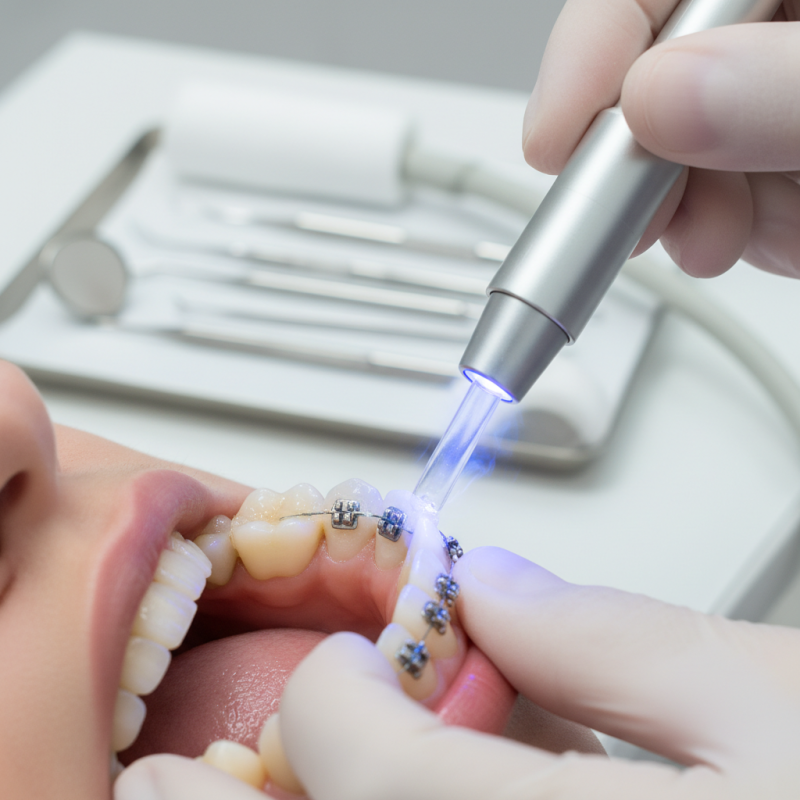
Definition of Orthodontic Adhesive Systems
Orthodontic adhesive systems are crucial in modern dentistry. They are designed to bond brackets and other orthodontic components to teeth. This bonding ensures that the dental appliances function effectively throughout treatment.
These systems typically consist of two components: an adhesive and a curing agent. The adhesive creates a strong hold. The curing agent activates the adhesive when exposed to light. This process can be intricate, requiring precise application. Sometimes, the adhesion may not be perfect. Misalignment can occur due to improper technique, leading to uneven bonding.
In practice, it is essential to prepare the tooth surface effectively. Cleaning and etching the enamel is also vital for optimal adhesion. Patients may face discomfort if brackets fail to adhere correctly. Understanding and addressing these nuances is key to successful orthodontic treatments. Each step in the process requires careful attention to detail and a willingness to adapt if challenges arise.
Orthodontic Adhesive System Performance
This bar chart illustrates the performance characteristics of orthodontic adhesive systems based on various dimensions such as shear bond strength, viscosity, setting time, and fluoride release. These properties are crucial for the effective application and longevity of braces in orthodontic treatments.
Components of Orthodontic Adhesive Systems
Orthodontic adhesive systems are crucial for effective braces application. These systems consist of several key components that work together to bond brackets securely to teeth. The primary elements include the adhesive resin, a bonding agent, and a curing light.
The adhesive resin is often made of composite materials. It provides a robust connection between the bracket and tooth surface. A bonding agent helps prepare the tooth enamel. It ensures that the resin adheres effectively. Curing lights then activate the resin, hardening it quickly for a durable hold.
When using an orthodontic adhesive system, proper techniques are vital. Always clean the tooth surface thoroughly. Any debris can impact adhesion. Apply adhesive evenly. Too much adhesive can create extra clean-up work later.
Remember to use the curing light efficiently. Insufficient curing may weaken the bond. Regular checks can prevent unexpected bracket failures. Keep in mind that mistakes can happen. When faced with a failed bond, reflect on the process. Adjustments can lead to a better approach next time.
The Process of Applying Orthodontic Adhesives
Orthodontic adhesives play a crucial role in maintaining braces and other orthodontic devices. The application process is meticulous. Initially, the enamel surface is cleaned and dried. This step ensures a strong bond between the adhesive and the tooth. The adhesive is then applied in small amounts to avoid overflow during the bonding.
After the adhesive is placed, the bracket is positioned. This requires precision. The orthodontist must ensure the bracket aligns correctly with the intended tooth movement. Once it’s in place, a curing light is applied. This light hardens the adhesive rapidly. According to the American Journal of Orthodontics, effective bonding is key for a successful treatment outcome.
Tips: Always follow your orthodontist's advice during the initial days of wearing braces. Monitor for any discomfort and report it promptly. Adjustments may be necessary due to improper bonding. Regular check-ups can help maintain the integrity of the adhesive bond, prolonging the effectiveness of the treatment. Remember, not all adhesives work similarly, and it's important to find what best suits your needs.
What is an Orthodontic Adhesive System and How Does It Work? - The Process of Applying Orthodontic Adhesives
| Dimension | Description | Example Materials |
| Type of Adhesive | The category of adhesives used in orthodontics | Resin-based, Glass Ionomer |
| Application Method | How the adhesive is applied to the teeth | Direct bonding, Indirect bonding |
| Curing Process | The process by which the adhesive hardens or sets | Light-cured, Self-cured |
| Duration | Time taken for adhesive to set | Immediate, Up to 24 hours |
| Common Uses | Where the adhesive is typically applied in orthodontics | Brackets, Bands, Retainers |
| Advantages | Benefits of using orthodontic adhesives | Strong bond, Easy application |
Types of Adhesive Systems Used in Orthodontics
Orthodontic adhesive systems play a crucial role in securing brackets and appliances to teeth. These systems vary in types, with each offering distinct advantages. The commonly used adhesive types include light-cure, dual-cure, and self-etch adhesives. Light-cure adhesives require a specific wavelength of light to set, making them popular for their ease of use and quick bonding time.
Dual-cure adhesives offer versatility by allowing both light and chemical curing. A study shows that about 70% of orthodontists prefer dual-cure adhesives for their reliability under different conditions. Self-etch adhesives simplify the bonding process by combining etching and sealing in one step. They reduce the time spent on initial preparations, however, they might not provide as strong a bond in some cases.
Despite advancements, challenges remain. Variability in surface preparation can lead to bonding failures. In some surveys, 15% of practitioners reported difficulties in ensuring consistent adhesive strength. Additionally, patient dietary habits can affect the longevity of the bond. These factors necessitate ongoing reflection on best practices in adhesive selection and usage in orthodontics.
Benefits and Considerations of Orthodontic Adhesive Systems
Orthodontic adhesive systems are essential for effective teeth alignment. These systems bond brackets to teeth, providing a solid foundation for orthodontic treatment. The materials used in these systems allow for strong adherence while being gentle on enamel. Patients often experience less discomfort during procedures compared to traditional methods.
One significant benefit is the ease of application. Orthodontists can apply adhesives quickly, reducing chair time for patients. This efficiency is crucial in busy practices. Additionally, modern adhesives are designed to minimize the risk of bonding failures. A strong bond means fewer interruptions during treatment, which enhances overall patient satisfaction. However, issues can arise if the surface is not properly cleaned before adhesive application.
Considerations also include potential sensitivity. Some patients may experience discomfort when the adhesive is first applied. It’s important for orthodontists to communicate these possibilities. Routine checks are also necessary to ensure the adhesive remains intact throughout treatment. Regular adjustments can help catch any issues early on. Balancing effectiveness with comfort remains a challenge in orthodontic practices.