What is Life Science Experts and Their Role in Modern Research?
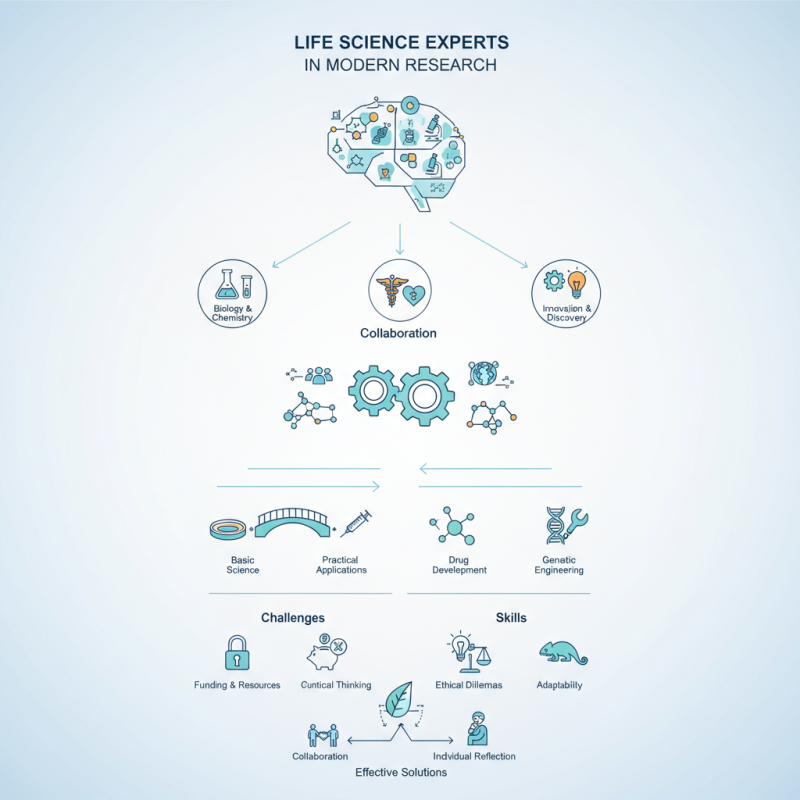
Life Science Experts play a crucial role in today's research landscape. Their expertise spans various fields, including biology, chemistry, and medicine. These professionals drive innovation and discovery, addressing pressing health and environmental challenges.
In modern research, Life Science Experts collaborate across disciplines. They bridge gaps between basic science and practical applications. This synergy fosters advancements in areas such as drug development and genetic engineering. Yet, there are challenges. Access to funding and resources can be limited. Researchers often face ethical dilemmas in clinical trials and data usage.
Navigating these complexities requires not just technical skills but also critical thinking. Life Science Experts must question established norms and seek new perspectives. Their ability to adapt is vital in an ever-evolving scientific landscape. Emphasizing both collaboration and individual reflection can lead to more effective solutions in life sciences.
Definition and Scope of Life Science Experts in Modern Research
Life science experts play a critical role in modern research. They encompass a range of fields such as biology, biotechnology, and environmental science. These professionals analyze complex biological systems. Their insights drive innovations in healthcare and sustainability. They contribute to understanding diseases and developing new therapies.
In practice, life science experts often collaborate with various stakeholders. This may include medical professionals, government agencies, and private organizations. Effective communication among these groups is essential. Clear documentation of research findings can enhance credibility and impact.
Tips: Focus on developing your analytical skills. Stay updated with the latest scientific advancements. Participating in interdisciplinary projects can provide a richer research perspective. Reflect on your research methods regularly. This can help you identify areas for improvement. Continuous learning is key in this ever-evolving field.
Key Areas of Study and Specializations in Life Sciences
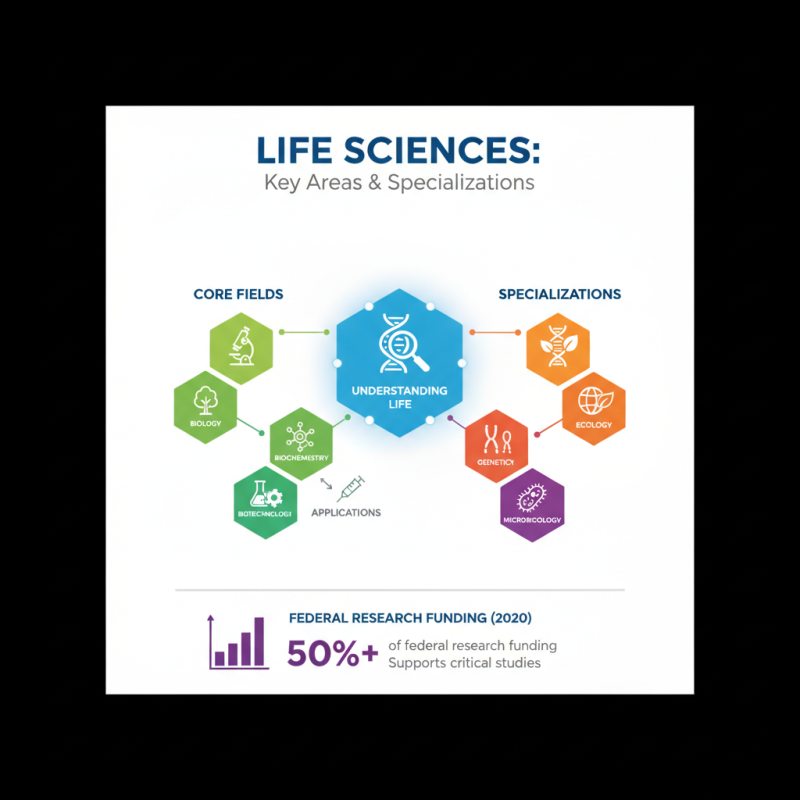
Life sciences encompass various fields, including biology, biochemistry, and biotechnology. These areas focus on understanding living organisms and their interactions with the environment. According to a report by the National Science Foundation, life sciences accounted for over 50% of federal research funding in 2020. This funding supports critical studies in areas like genetics, ecology, and microbiology.
One significant specialization in life sciences is genomics. This field explores the structure, function, and mapping of genomes. A study from the Human Genome Project estimated that sequencing the human genome costs have decreased by 99% since 2001. This advancement allows researchers to identify genetic disorders and develop targeted therapies, which can significantly affect patient care. Another vital area is environmental biology, which examines how organisms interact with ecosystems. Addressing climate change requires rigorous studies in this domain, yet challenges remain in translating research into policy.
Despite advancements in life sciences, challenges persist. The translation of research into practical applications can be slow and complex. There are also ethical concerns surrounding genetic manipulation and biopharmaceutical development. Researchers must navigate these issues while aiming for innovative solutions to improve human health and environmental sustainability. Balancing scientific progress with ethical considerations is crucial in shaping the future of life sciences.
Role of Life Science Experts in Interdisciplinary Collaboration
Life science experts play a vital role in modern research by facilitating interdisciplinary collaboration. Their expertise spans various fields, such as biology, chemistry, and environmental science. This multidisciplinary approach is essential in addressing complex scientific questions. Expertise from life scientists helps integrate diverse methodologies and perspectives.
Working together, life science experts and researchers from other disciplines tackle pressing issues like climate change, disease outbreaks, and food security. These collaborations often yield innovative solutions. However, achieving effective teamwork is not always easy. Differences in terminologies and approaches can hinder communication.
To create real impact, life science experts must hone their communication skills. They should be open to learning from other fields while sharing their own insights. Collaboration can lead to unexpected challenges that require flexibility and adaptation. Encouraging an environment of mutual respect and curiosity is essential. Ultimately, the collective effort enhances scientific understanding across boundaries.
Role of Life Science Experts in Interdisciplinary Collaboration
Impact of Life Science Experts on Technological Advancements
Life science experts play a crucial role in shaping modern research and driving technological advancements. Their expertise spans across various fields, including genetics, microbiology, and biotechnology. According to a report by the National Institutes of Health, significant investments in life sciences have yielded a 37% increase in research output over the past decade. This surge highlights the importance of skilled professionals in developing innovative solutions.
The impact of life science experts is evident in personalized medicine and advanced therapies. Techniques like CRISPR gene editing show promise, but they also raise ethical questions. How do we balance innovation with safety? Collaboration is key. Universities and research institutions foster environments that encourage dialogue among experts, creating a holistic approach to challenges.
Tips for aspiring life science professionals include staying updated on emerging technologies and networking with other experts. Engaging in discussions can deepen your understanding of complex topics. Remember, research is an ongoing journey. The industry must continually reflect on its practices and consider the implications of their work on society.
Challenges and Future Directions for Life Science Professionals
Life science professionals face a myriad of challenges in their field today. Rapid advancements in technology can be daunting. New tools require constant learning and adaptation. Many scientists struggle with keeping up. The pressure to publish results can lead to ethical dilemmas. Researchers often find themselves in a race against time. Balancing quality and speed of research remains a critical issue.
The future for life science experts is filled with potential yet fraught with uncertainty. Interdisciplinary collaboration is becoming increasingly necessary. Working with data scientists and engineers can enhance research outcomes. However, not all scientists feel prepared for this change. Many lack training in data analysis or computational methods. This gap in skills can hinder innovation. Continuous education and skill development are essential for growth.
Financial constraints also pose a significant hurdle. Many research projects rely heavily on grants that are difficult to secure. Limited funding can lead to fewer resources and slower progress. Scientists often reflect on the sustainability of their work. As they navigate through these challenges, resilience and adaptability are key traits. Embracing imperfection and learning from setbacks may lead to breakthroughs in the long run.