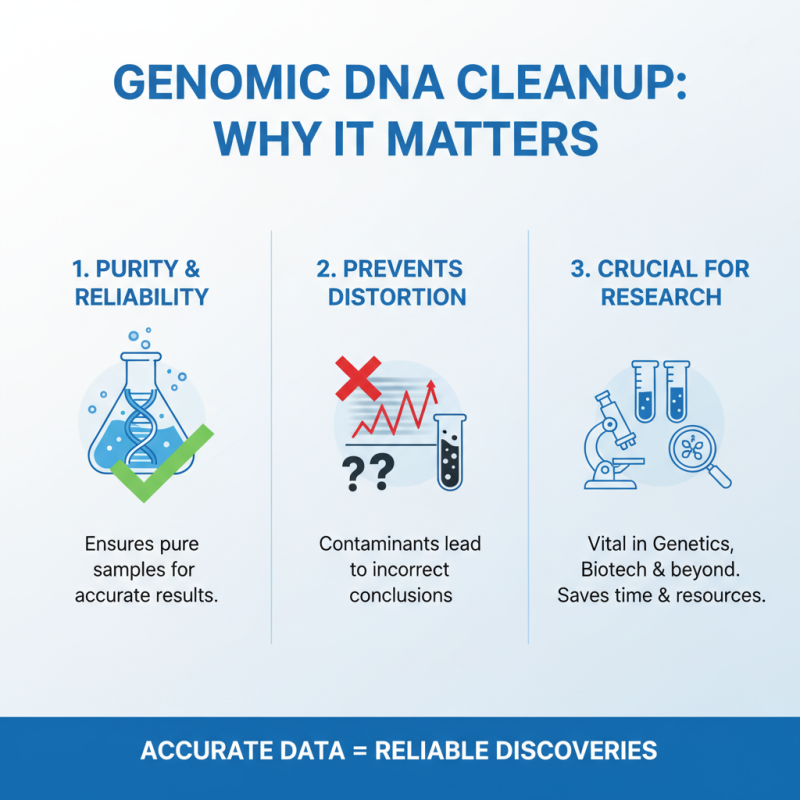
What is Genomic DNA Cleanup and Why is it Important?
Genomic DNA Cleanup is a critical step in molecular biology that ensures the purity of DNA samples. With the increasing focus on precision medicine, clean and high-quality DNA is essential for accurate diagnostic testing and research. According to the National Institutes of Health, contamination can lead to erroneous results, affecting up to 30% of experimental outcomes.
Properly performed Genomic DNA Cleanup improves the reliability of genetic analysis. Inadequate cleanup can result in the presence of contaminants, such as proteins and salts. Interestingly, a report from the American Society of Human Genetics noted that improperly purified samples led to a significant increase in false positives during genetic screening.
In today’s landscape, where genomic research is rapidly advancing, the importance of Genomic DNA Cleanup cannot be overstated. As researchers push boundaries, the focus must remain on obtaining quality data. Neglecting this fundamental step may hinder progress and lead to wasted resources. The need for improvement in cleanup methodologies persists, highlighting a gap that must be addressed for future advancements.
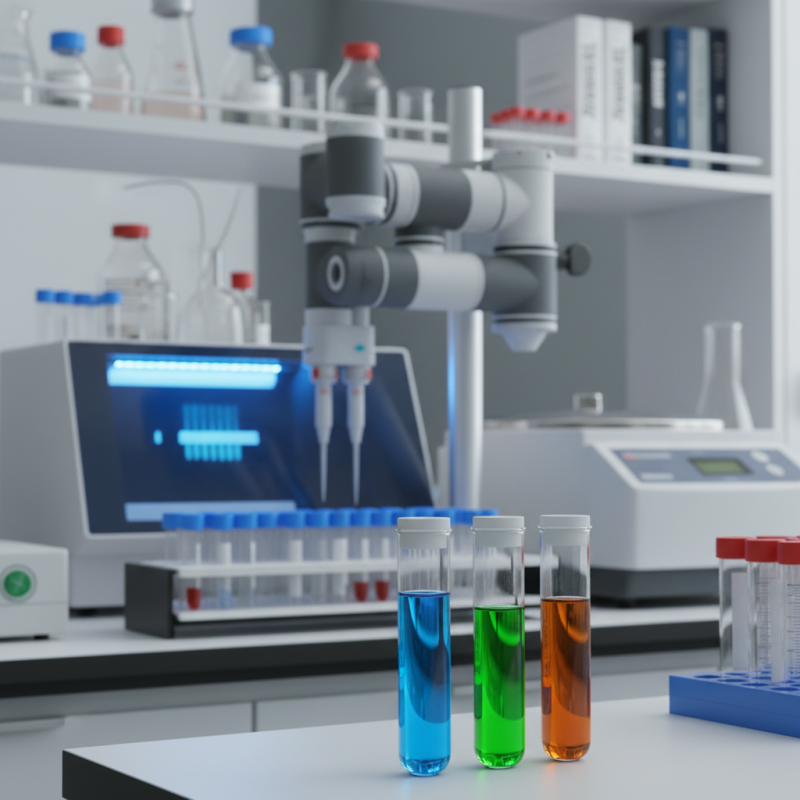
What is Genomic DNA Cleanup?
Genomic DNA cleanup is a crucial process in molecular biology. It involves the removal of contaminants and impurities from DNA samples. These contaminants can include proteins, enzymes, and salts that interfere with downstream applications. The process ensures that the DNA is pure and of high quality. Contaminated DNA can lead to unreliable results in experiments.
During cleanup, various methods can be used. For example, silica-based columns or magnetic beads can isolate DNA from unwanted materials. These techniques are generally effective, but they can also be imperfect. Sometimes, small amounts of contaminants remain even after cleanup. This can cause issues in applications like sequencing or cloning. Researchers must be vigilant in optimizing their cleanup protocols.
The importance of genomic DNA cleanup cannot be overstated. It directly impacts the accuracy of research findings. Poorly cleaned DNA may lead to false conclusions. Scientists must pay careful attention to this process. They need to continually refine their methods and approaches. Even minor lapses in cleanup can result in significant setbacks.
Techniques Used in Genomic DNA Cleanup
Genomic DNA cleanup is essential for accurate genomic analysis. The techniques for cleanup ensure high-quality DNA, which is crucial for downstream applications. Various methods are employed in this process, such as the use of silica columns and magnetic beads. These methods help remove impurities that could interfere with sequencing outcomes.
Silica-based columns are widely used. They rely on the binding of DNA to silica in the presence of high salt concentrations. A report from the National Center for Biotechnology Information noted that achieving over 90% recovery of DNA is common with silica methods. However, this method may not capture all fragments equally, leading to some bias in variant detection.
Magnetic bead cleanup is another popular technique. It allows for quicker processes with less manual handling. A study in the Journal of Biomolecular Techniques indicated an average cleanup time reduction of 40%. Yet, it may also lead to DNA loss if not optimized properly. These varied techniques highlight the importance of selecting the appropriate method. Each method has its merits and limitations, underscoring the need for careful consideration in cleanup protocols.
The Importance of Genomic DNA Cleanup in Research
Genomic DNA cleanup is crucial in research. It ensures that the samples used are pure and reliable. Contaminants can distort results, leading to incorrect conclusions. This is especially vital in fields like genetics and biotechnology. Inaccurate data can waste time and resources.
During cleanup, scientists remove unwanted substances from DNA samples. These substances can include proteins, salts, and enzymes. Each contaminant affects the quality of the results in different ways. High-quality DNA is essential for downstream applications like sequencing or PCR. Without it, researchers face potential failures in their experiments.
However, cleanup isn’t always perfect. Mistakes can happen during the process. Sometimes, not all contaminants are removed. This can result in mixed signals during analysis. Researchers must regularly evaluate their cleanup methods. Continuous reflection helps improve the reliability of results. Getting it right enhances the credibility of scientific research overall.
Common Contaminants in Genomic DNA and Their Effects
Genomic DNA is essential for various biological and medical research purposes. However, it often gets contaminated. Common contaminants include proteins, phenol, and salts. These impurities can affect downstream applications such as PCR and sequencing. For example, proteins can inhibit enzyme activity, leading to failed reactions.
Research indicates that even a small amount of contaminants can significantly impact results. A report from the National Institutes of Health shows that just 0.1% of contaminants can reduce PCR efficiency by over 30%. Similarly, salts can impede DNA amplification. This can result in biased amplification or poor sequence quality, raising concerns about data reliability.
Cleanup processes are crucial. They help ensure the integrity of genomic samples. However, these processes are often overlooked. Many researchers assume that a quick cleanup is sufficient. Yet, inadequate cleaning methods result in persistent contamination. This can make interpretation of results challenging. Taking the time to perform thorough DNA cleanup is essential for reliable research outcomes.
Best Practices for Effective Genomic DNA Cleanup
Genomic DNA cleanup is crucial for obtaining high-quality results in any genomic application. Effective cleanup techniques can enhance the accuracy of sequencing and PCR amplification. According to a report by Nature Biotechnology, pure genomic DNA can improve sequencing success rates by over 30%. This highlights the importance of adopting best practices in the cleanup process.
One key practice is the use of magnetic beads for purification. These beads help to selectively bind DNA while removing impurities. Researchers have found that using this method reduces contaminants significantly. In a study published by the Journal of Molecular Biology, scientists noted a 25% increase in yield when using magnetic bead-based cleanup over traditional methods. However, it is essential to optimize bead concentration as excess beads can interfere with downstream applications.
Additionally, controlling pH and salt concentration during the cleanup is vital. Maintaining an optimal environment can enhance the binding efficiency of DNA. A report by the American Society for Microbiology suggests that small deviations from optimal conditions can lead to variable results. Hence, regular calibration of instruments and consistent protocols can mitigate these drawbacks, ultimately leading to more reliable genomic analyses.