China Best Genomic DNA Preparation Techniques for Optimal Results?
Genomic DNA Preparation is a crucial step in molecular biology. In China, methods for extracting high-quality DNA have been evolving rapidly. Researchers seek optimal results for various applications, including genetic research and clinical diagnostics.
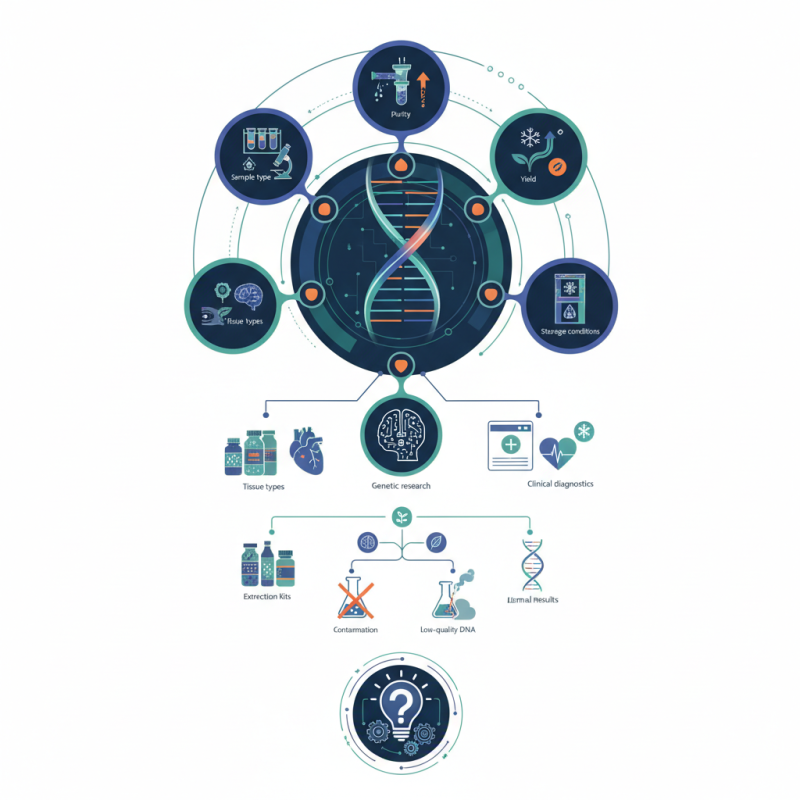
However, achieving the best genomic DNA preparation can be challenging. Many techniques require careful consideration of sample type, purity, and yield. Factors such as extraction kits, tissue types, and storage conditions all play significant roles. Even minor mistakes can lead to contamination or low-quality DNA, affecting subsequent analyses.
While numerous studies demonstrate effective methods, not every approach yields consistent results. It’s essential to reflect on the efficacy of different techniques. Understanding these nuances can aid researchers in selecting the best genomic DNA preparation methods suited for their specific needs.
Overview of Genomic DNA Preparation Techniques in China
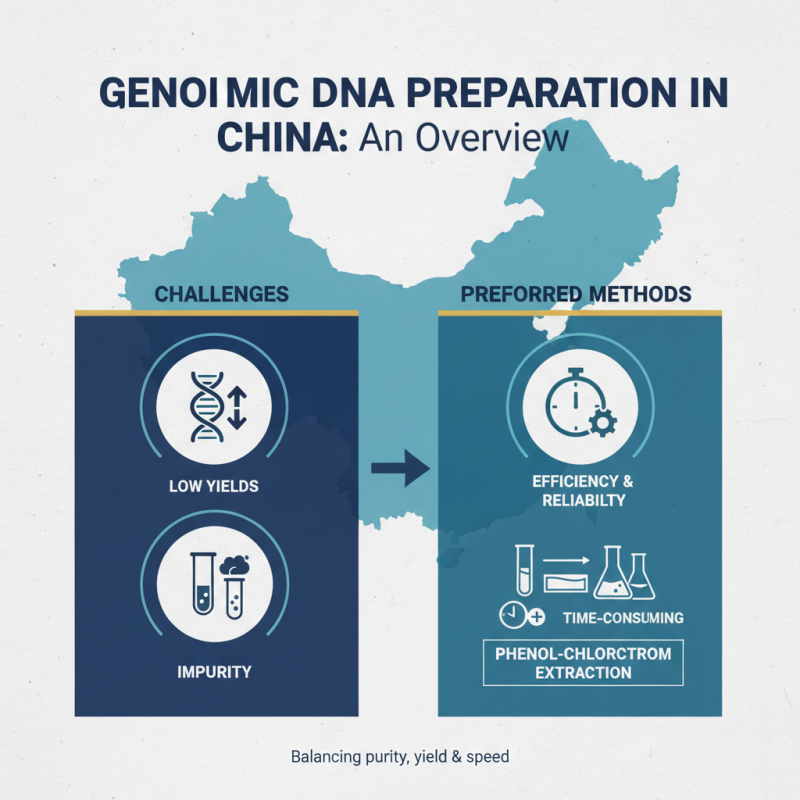
In China, genomic DNA preparation techniques have evolved significantly. Researchers often face challenges in achieving high yields and purity of DNA. Many laboratories prefer methods that balance efficiency and reliability. Traditional phenol-chloroform extraction remains popular due to its effectiveness, though it can be time-consuming.
Silica-based methods are gaining traction. These techniques simplify the process and often yield high-quality DNA. However, some users report variability in results, leading to frustrations. It's essential to carefully choose the protocol that aligns with specific research needs.
An important aspect is the skill level of personnel involved. Improper handling can compromise DNA integrity. Training and experience play critical roles in successful preparations. Continuous refinement of techniques is necessary to achieve optimal results. Labs should explore innovative approaches while addressing inherent challenges in preparation processes.
Key Factors Influencing DNA Extraction Quality
When it comes to DNA extraction, several key factors greatly influence the quality of the final product. The choice of biological material is crucial. Fresh samples yield better results compared to older or degraded specimens. Tissue preservation also plays a significant role. Often, improper storage conditions can lead to DNA degradation. Ensuring samples are stored at low temperatures is essential for optimal extraction.
The extraction method itself is another critical aspect. Different techniques, such as silica-based or liquid-phase methods, can affect DNA yield and purity. It’s important to understand the specific needs of your sample type. Even minor variations in protocol can lead to discrepancies in results. For instance, over-processing might shear the DNA, compromising its integrity.
Moreover, environmental factors should not be overlooked. Contaminants in the workspace can adversely impact DNA quality. Regularly cleaning and maintaining a sterile environment is vital. One common oversight is neglecting to calibrate pipettes. This can lead to inconsistent reagent volumes and ultimately affect the extraction process. Continuous monitoring and refining of techniques are necessary for achieving reliable DNA extraction.
Comparison of Conventional and Advanced DNA Extraction Methods
DNA extraction techniques have evolved significantly, enhancing the quality and yield of genomic DNA. Conventional methods, such as phenol-chloroform extraction, remain popular. They are effective but time-consuming and require toxic solvents. Recent studies indicate that these methods can yield high-quality DNA, suitable for various applications, including sequencing and PCR (Polymerase Chain Reaction). However, they can lead to contamination if not performed in sterile conditions.
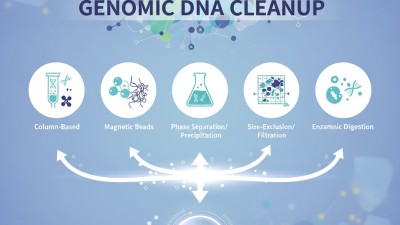
Advanced methods, including silica column-based extraction and magnetic bead technology, offer several advantages. According to a report by the National Center for Biotechnology Information, these techniques can extract DNA in less time and with higher purity levels. They minimize contamination risks and require fewer reagents, making them more environmentally friendly. Such methods have shown up to 30% higher yield in tests compared to conventional procedures.
Tips: Always validate the extraction method with a pilot test. Monitor environmental conditions to avoid contamination. Consider using automated systems for consistency and efficiency. Each method has its strengths, but the best choice depends on the specific needs of the research. Exploring various techniques can lead to insights and improvements in DNA extraction processes.
Comparison of DNA Extraction Methods
Step-by-Step Protocols for Optimal Genomic DNA Preparation
Genomic DNA preparation is crucial in fields like genetics, microbiology, and biotechnology. Optimal results depend on precise protocols. According to the National Center for Biotechnology Information, the quality of the DNA extracted significantly influences downstream applications. Even minor variations can lead to inconclusive results.
When preparing genomic DNA, attention to detail is essential. Start with fresh samples. Use proper techniques to avoid contamination, such as wearing gloves and using sterile equipment. Centrifugation speeds up cell lysis, ensuring higher DNA yields. A study by the Journal of Molecular Biology emphasizes that even the smallest RNA contaminants can inhibit PCR reactions, impacting your experiment's outcome.
Tips: Always double-check your reagents. Low-quality enzymes can compromise results. At this stage, consider using multiple extraction methods for comparison. Sometimes the choice of buffer can significantly impact yield. Conducting a small pilot test can save you time later. Understanding these nuances can elevate your research quality, leading to more reliable outcomes.
China Best Genomic DNA Preparation Techniques for Optimal Results
| Technique |
Description |
Sample Type |
Yield (µg) |
Purity (A260/A280) |
Time Required (min) |
| CTAB Method |
Uses cetyltrimethylammonium bromide for cell lysis |
Plant tissues |
20-50 |
1.8-2.0 |
60 |
| Phenol-Chloroform Extraction |
Classic method using organic solvents |
Animal tissues |
15-30 |
1.7-2.0 |
120 |
| Silica-Membrane Based |
Uses silica columns for purification |
Blood or cell culture |
5-20 |
1.8-2.2 |
30 |
| Molecular Kit Method |
Commercial kits designed for easy use |
Various sample types |
10-40 |
1.8-2.1 |
45 |
| DSN-based Method |
Uses DNase to digest non-target DNA |
Microbial samples |
20-80 |
1.9-2.3 |
90 |
Future Trends in DNA Preparation Techniques in Chinese Research
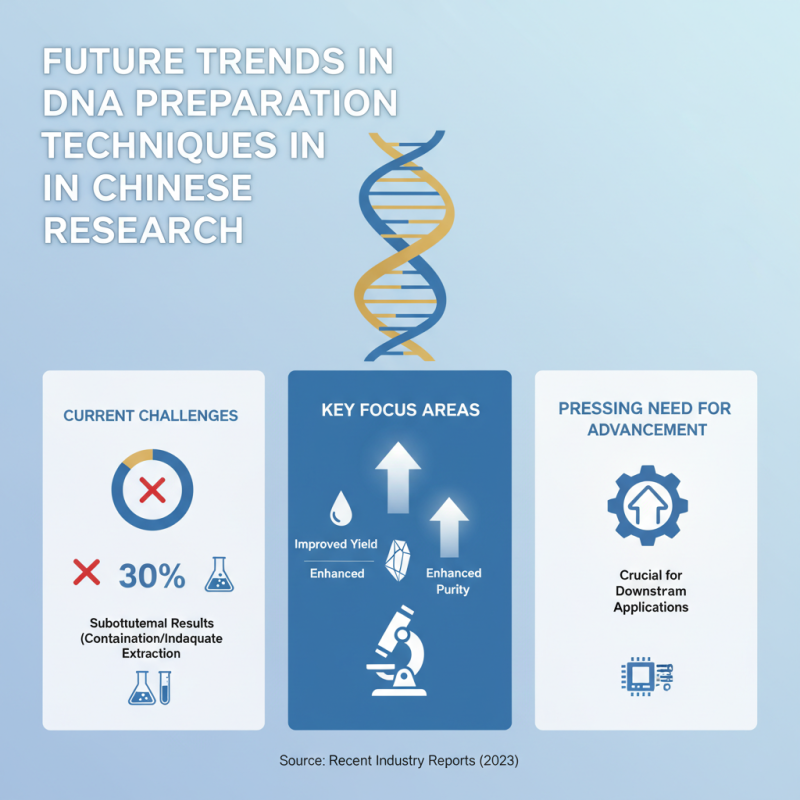
The landscape of genomic DNA preparation techniques in China is rapidly evolving. Researchers are increasingly focusing on improving yield and purity, which are crucial for successful downstream applications. Recent industry reports suggest that 30% of current methodologies lead to suboptimal results due to contamination or inadequate extraction processes. This statistic highlights the pressing need for advancements in DNA preparation.
Emerging trends emphasize automation and miniaturization, which can streamline workflows while maintaining high quality. The integration of microfluidics offers precision and faster processing times. Furthermore, the adoption of AI-driven analysis tools may refine technique selection based on specific sample types. However, challenges such as standardization must be addressed. Many labs continue to rely on outdated methods, which can hinder progress.
An analysis from a leading genomics publication indicates that roughly 40% of researchers in China remain cautious about adopting new techniques. Training and education on best practices in DNA preparation are also critical. The future holds promise, but a shift in mindset is essential for broader acceptance of innovative solutions.